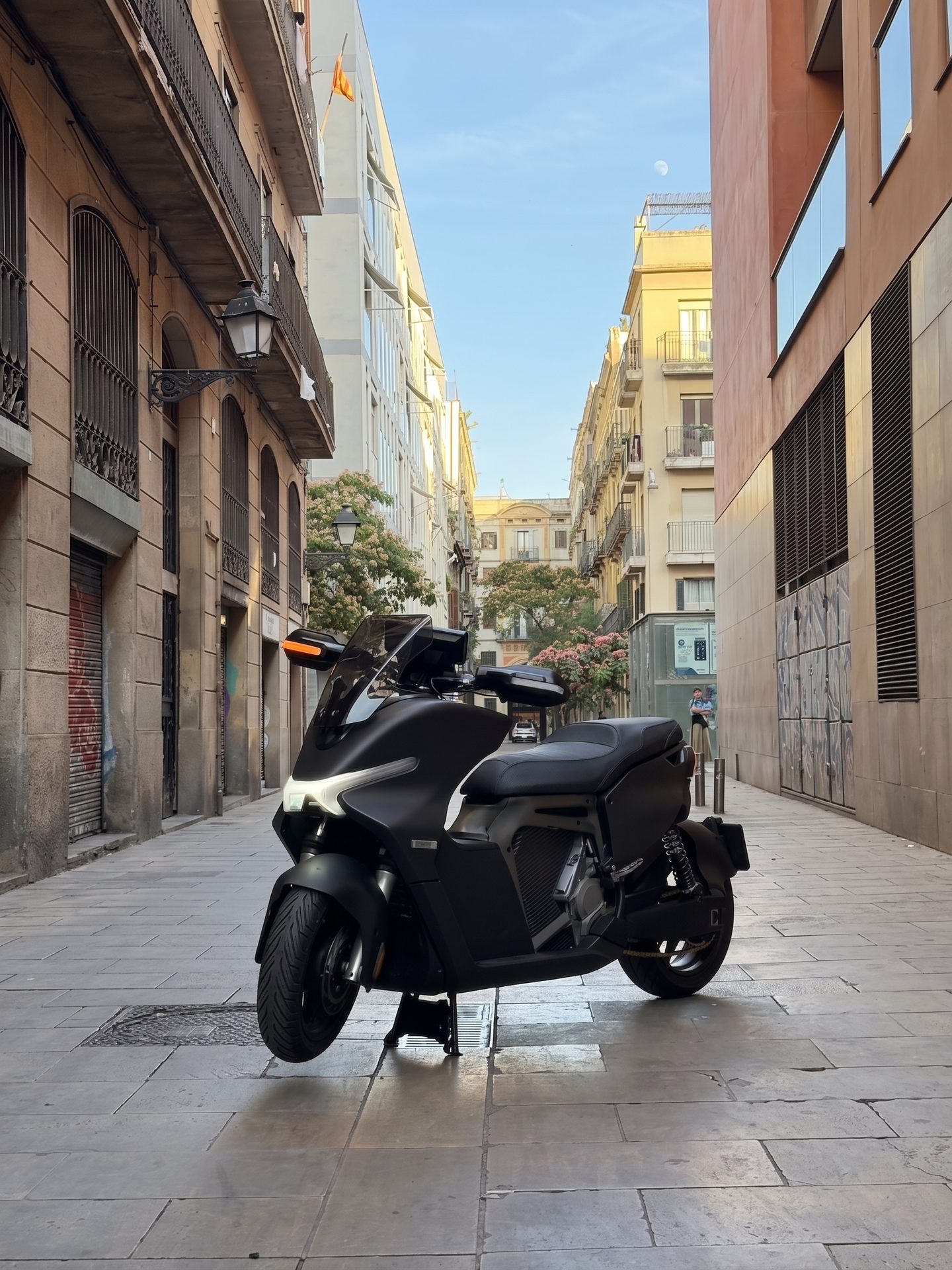
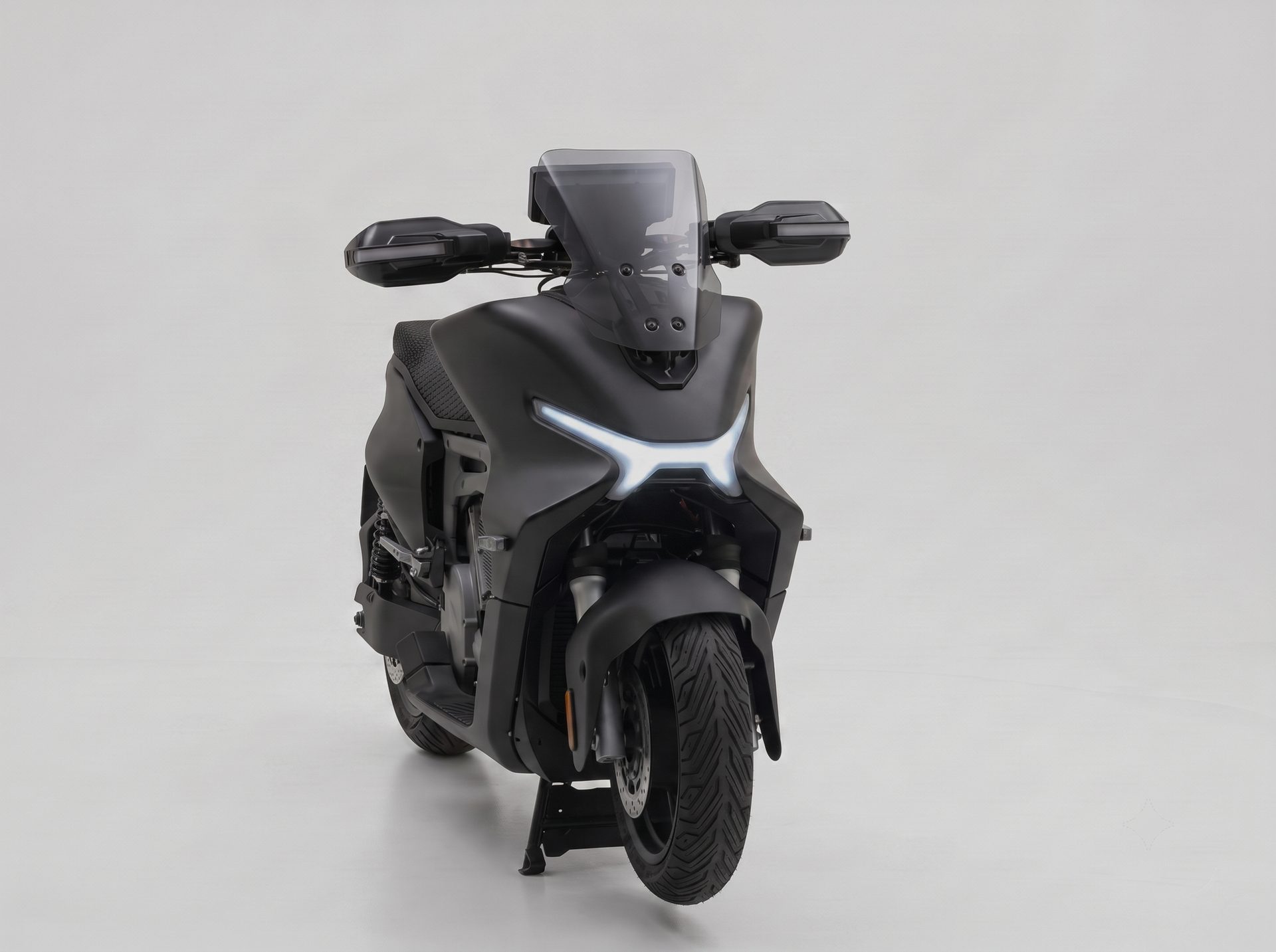
Hexia Evo
Engineered to outperform: the most powerful electric maxi-scooter on the market.
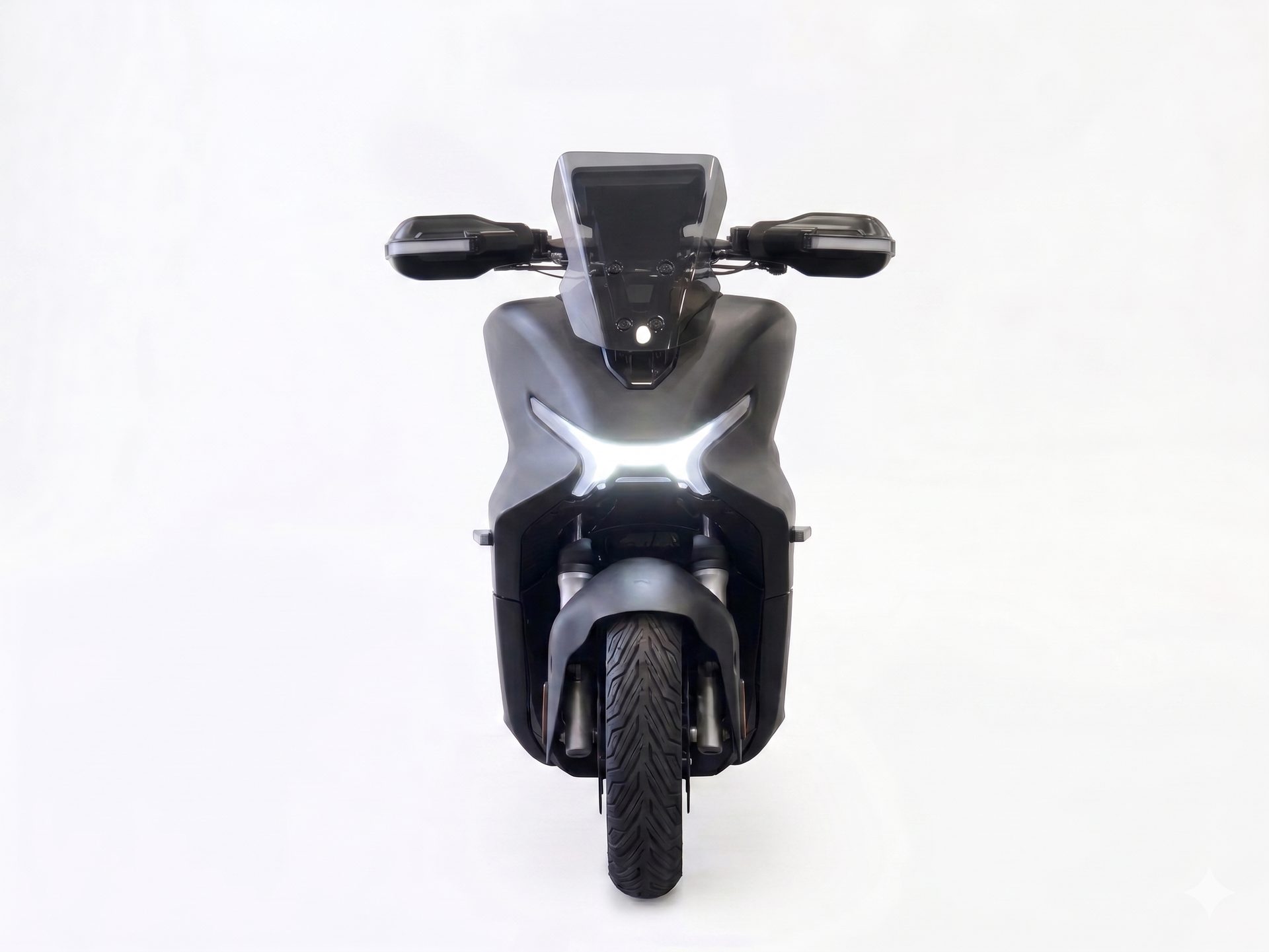
Hexia Evo is the evolution of the Hexia One (a non-functional concept of the most powerful electric maxi-scooter on the market).
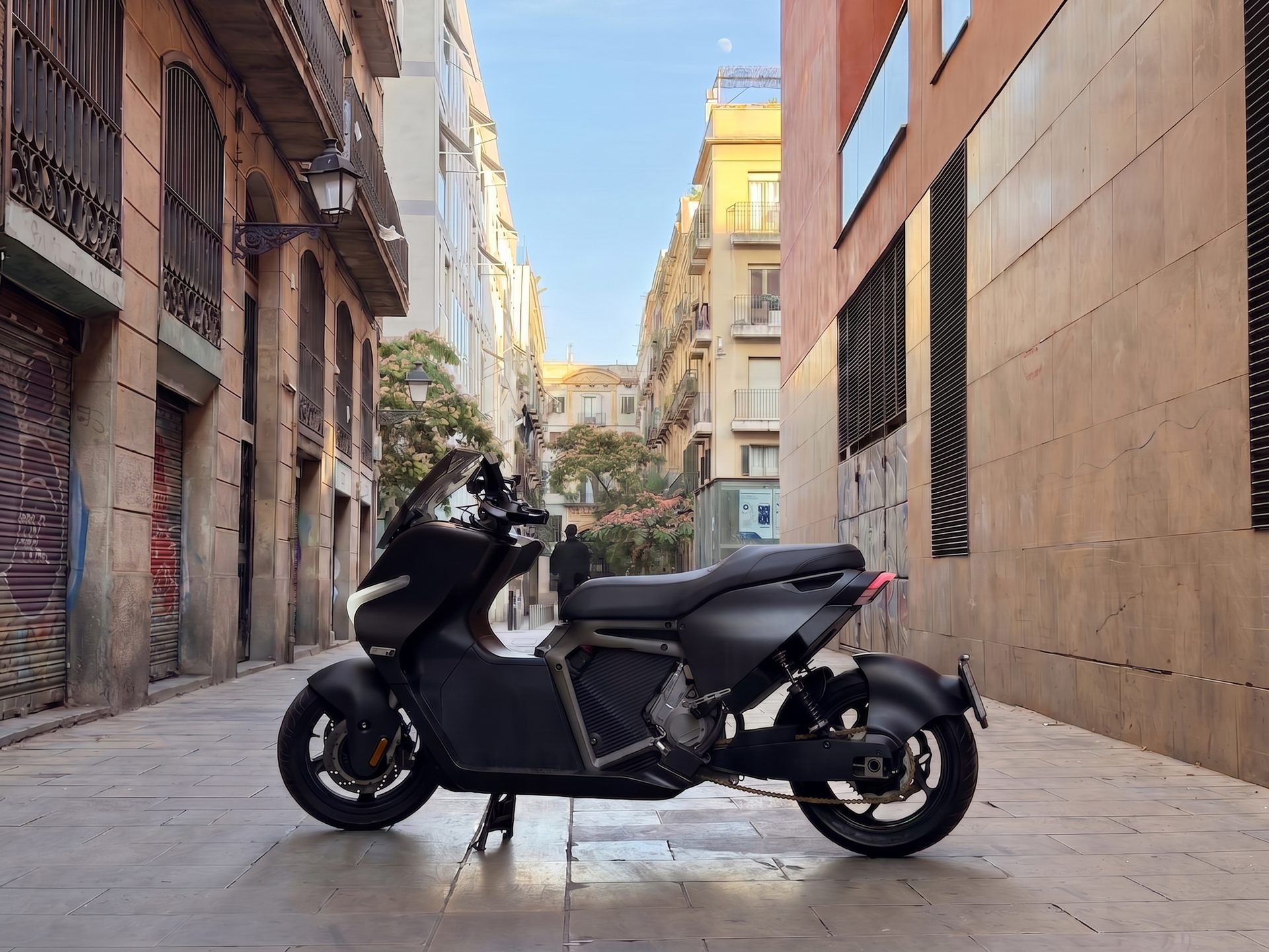
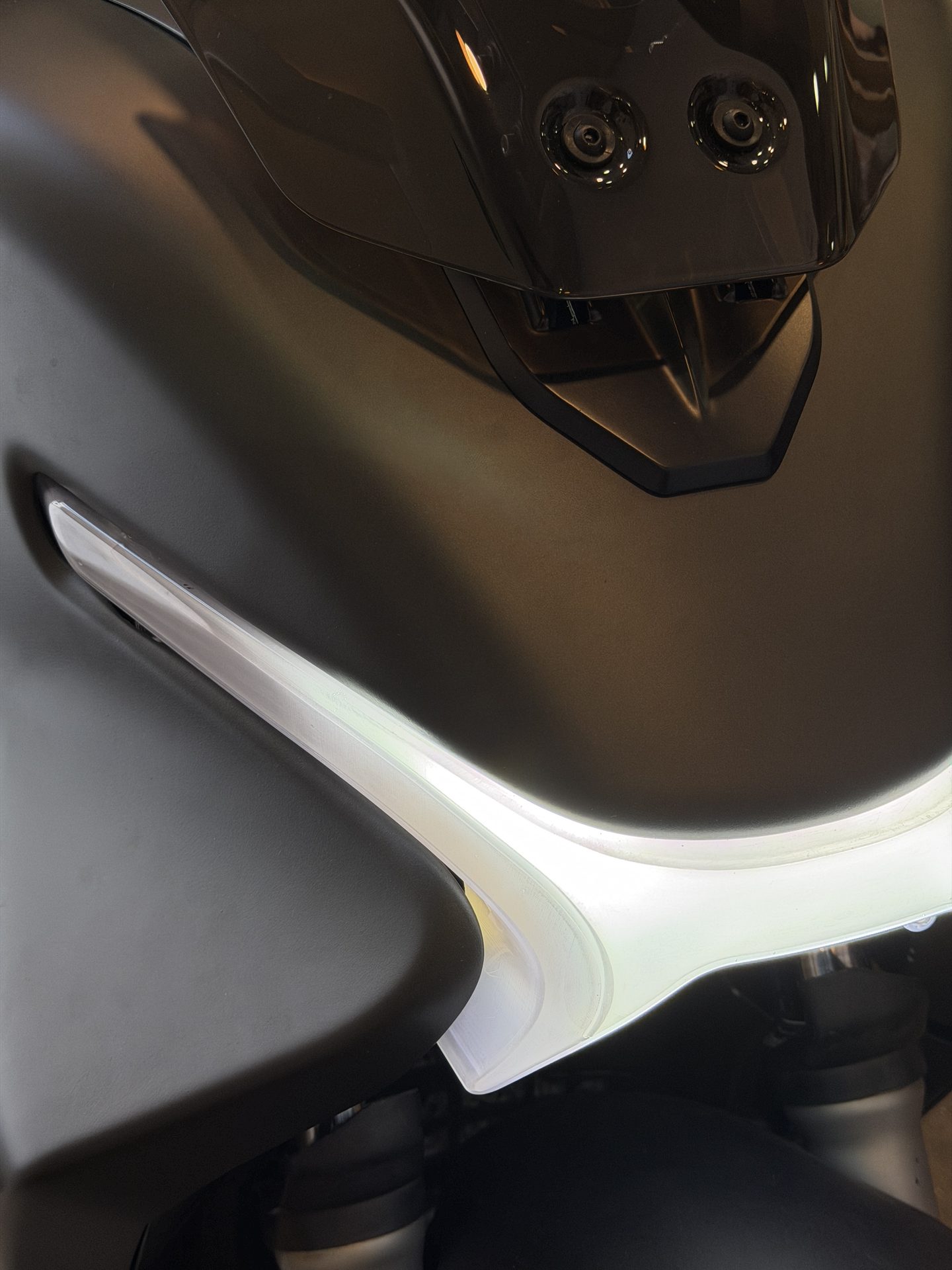
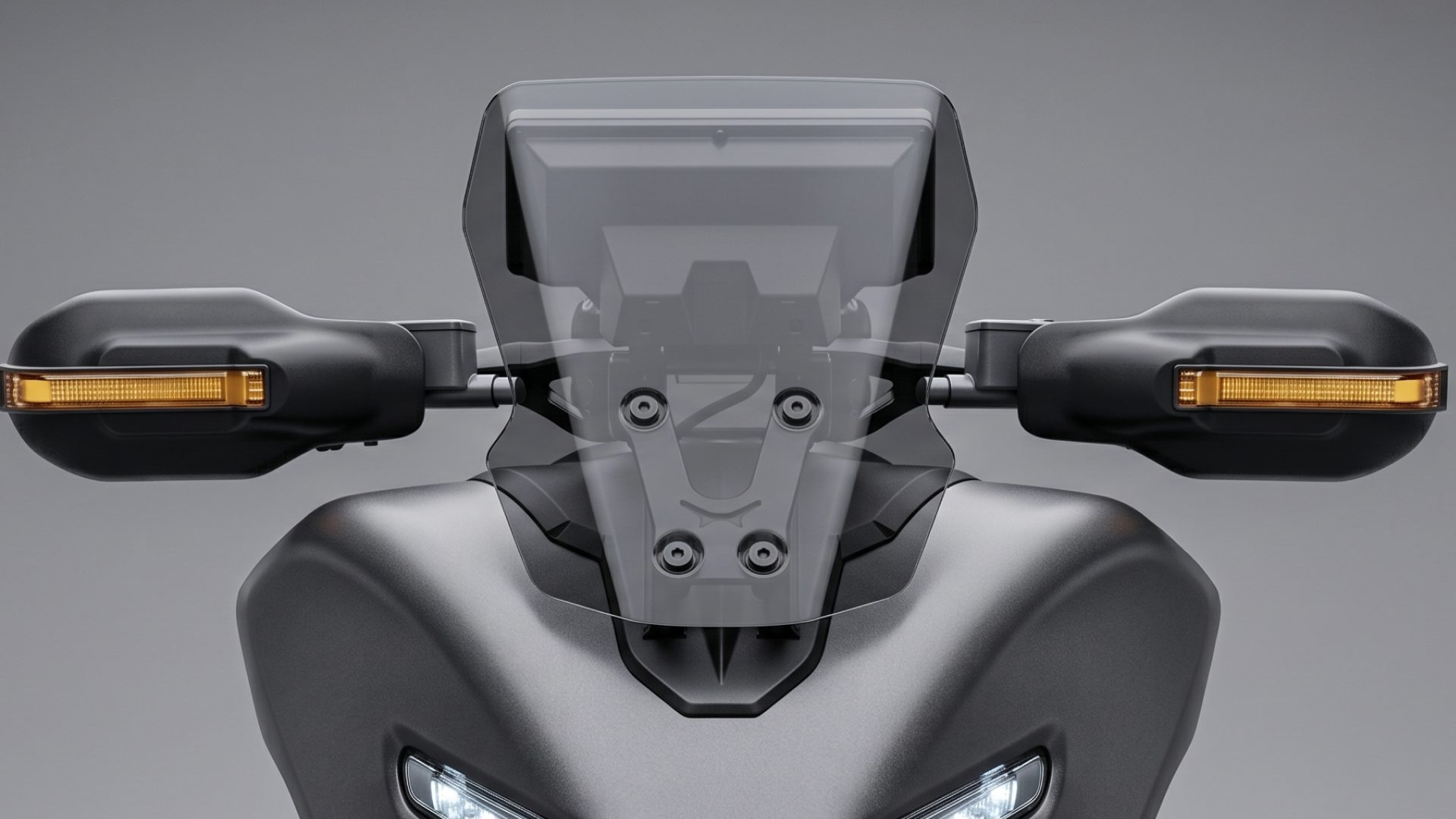
Beyond re-engineering it structurally so that it actually runs, we took it into the premium segment: a full suite of peripheral electronics, an adjustable windshield, cameras with cockpit displays in place of mirrors (a first on a motorcycle), an automatic main stand and a seat built on an optimized lattice.
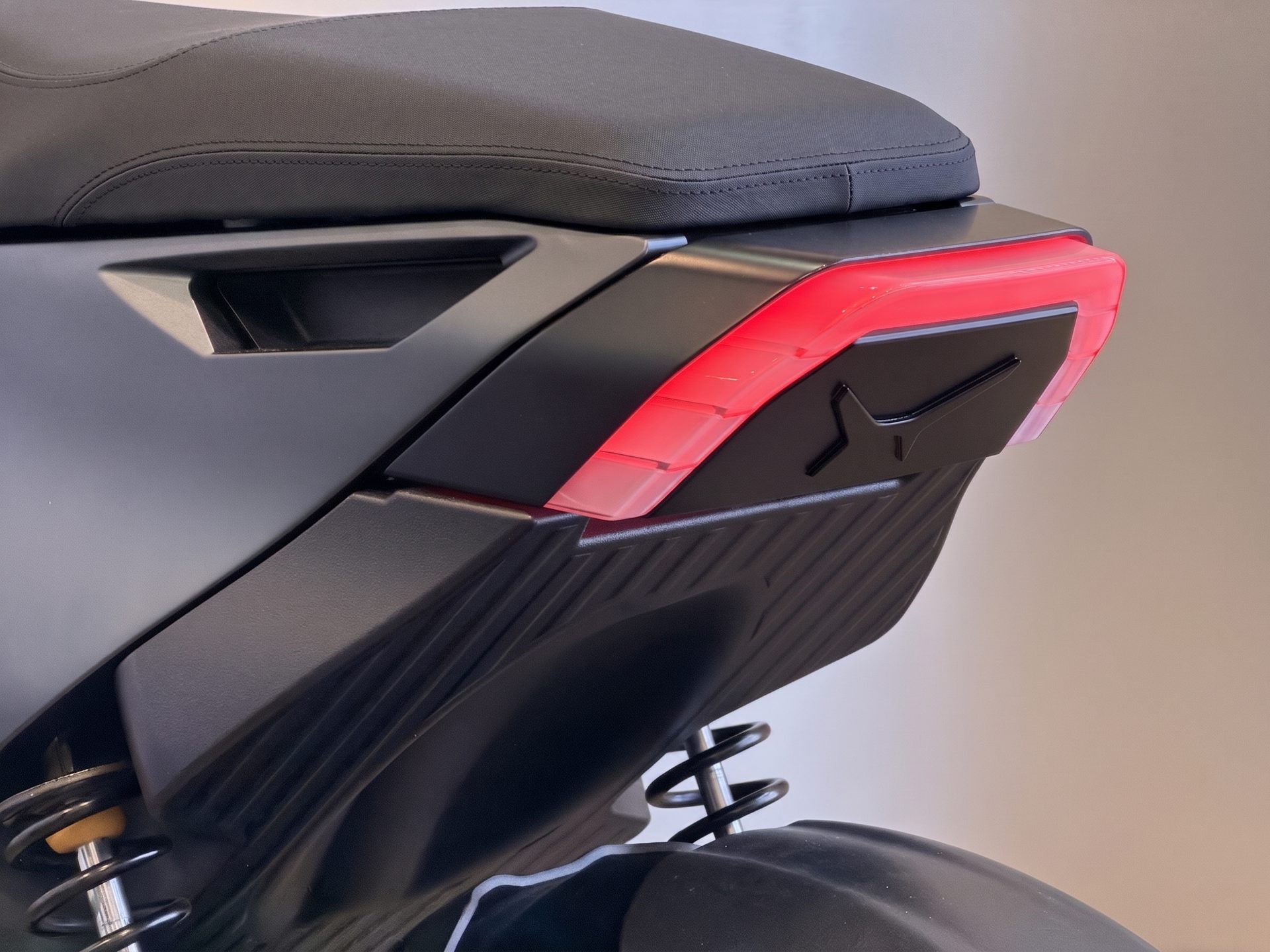
The rear is a subframe that is both structural and sculptural, with no plastic body panels.
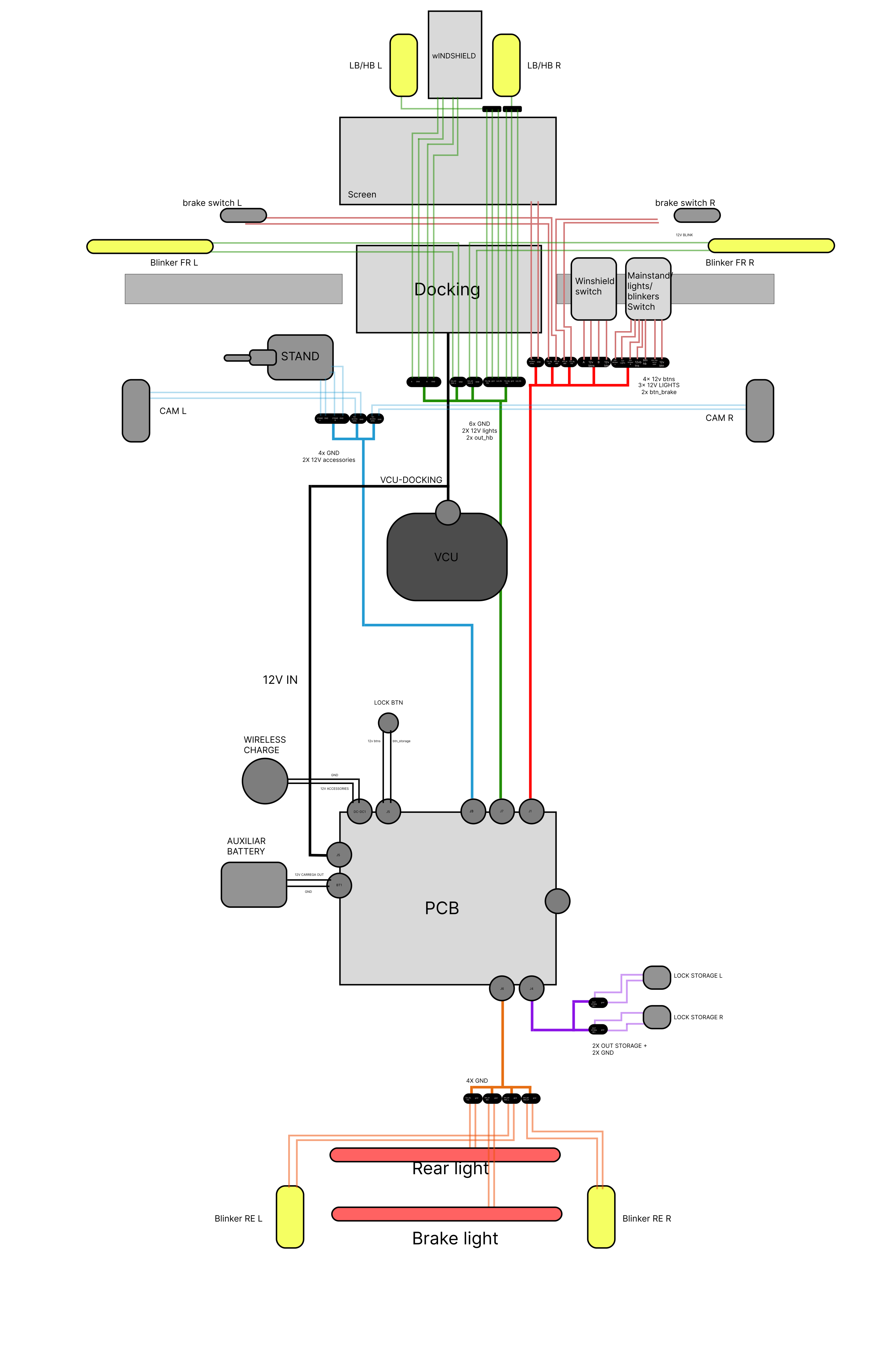
Systems architecture
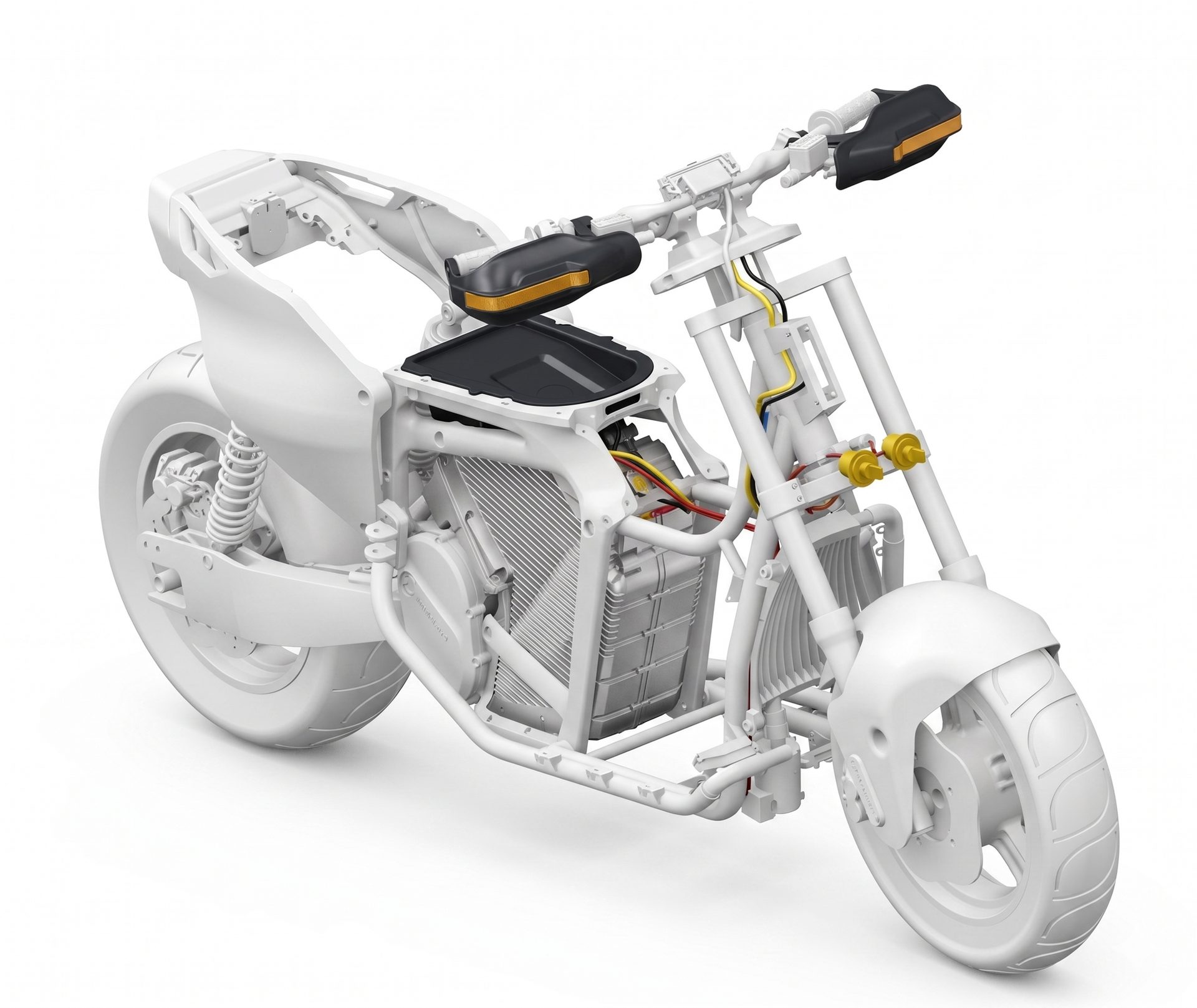
A robust peripheral control system without the weight, complexity and failure points of point-to-point motorcycle wiring.
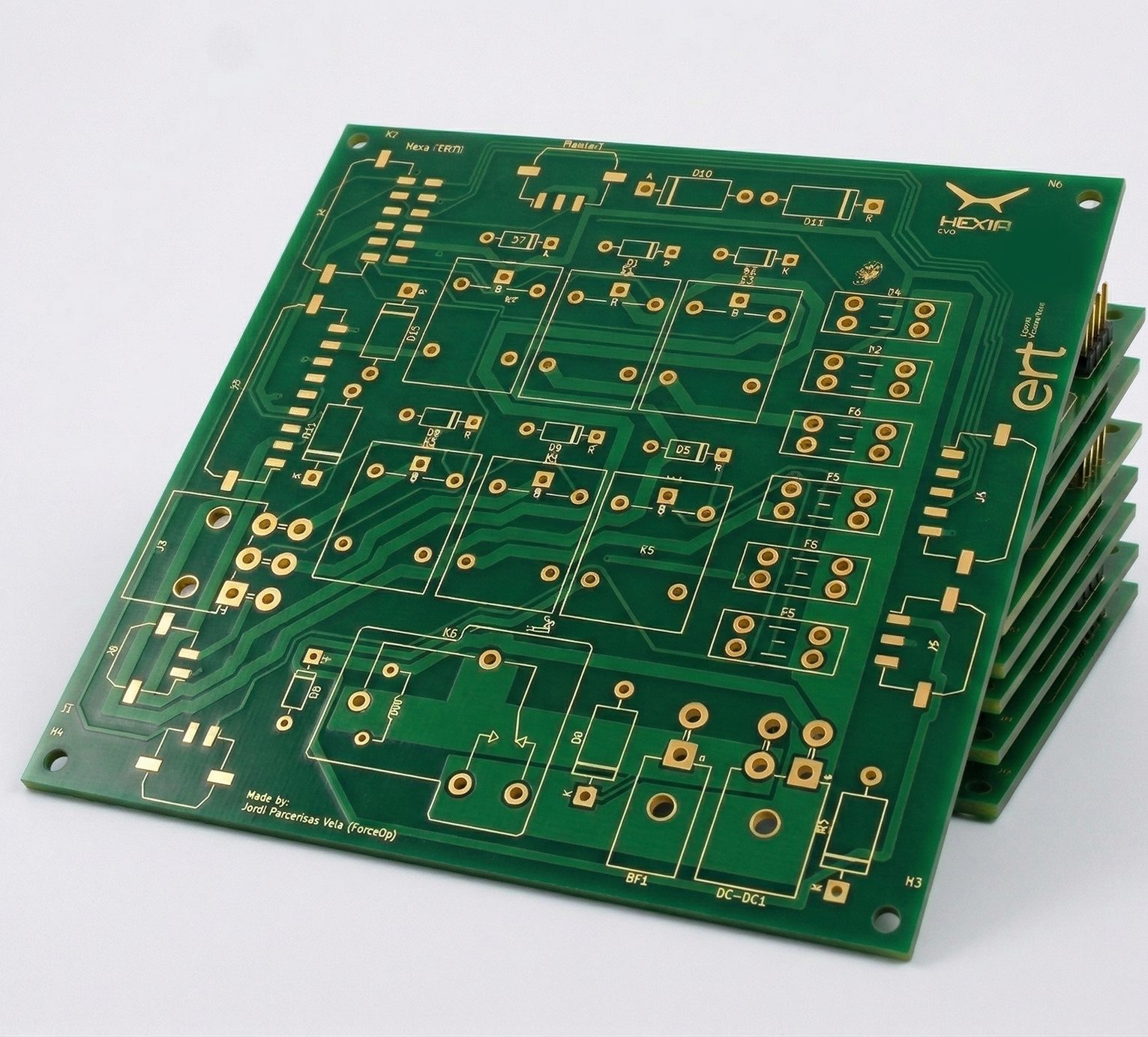
Single-hub topology. I led the electrical architecture, centralizing every peripheral control in one Power Distribution Unit (PDU) PCB.
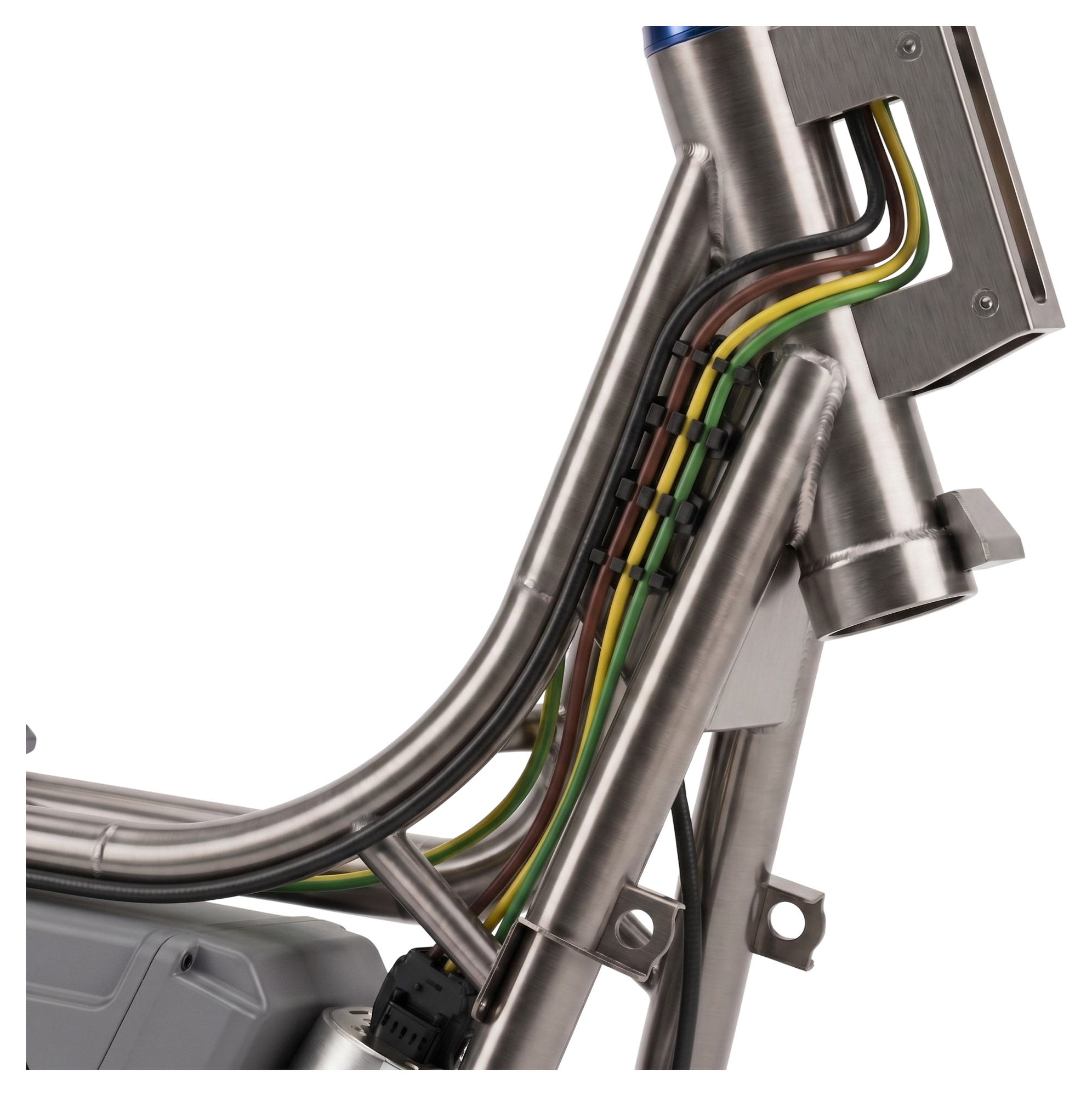
Four-trunk harness. Front, mid, lower and rear: simpler assembly, and no wires crossed or pinched inside the frame.
Sealed connections. JST JWPF Superseal connectors (IP67) keep power stable through water and vibration.
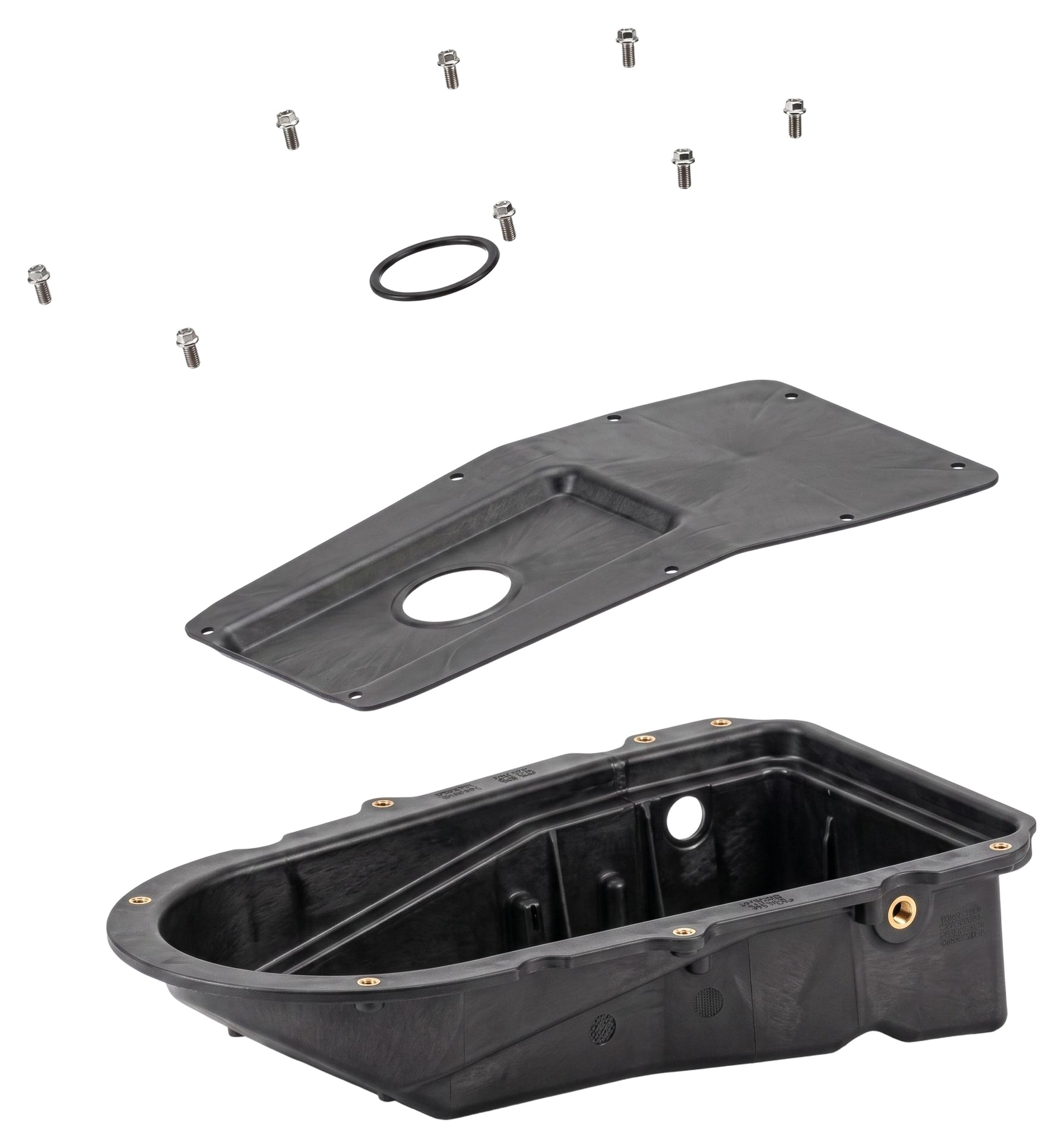
Mechatronic packaging
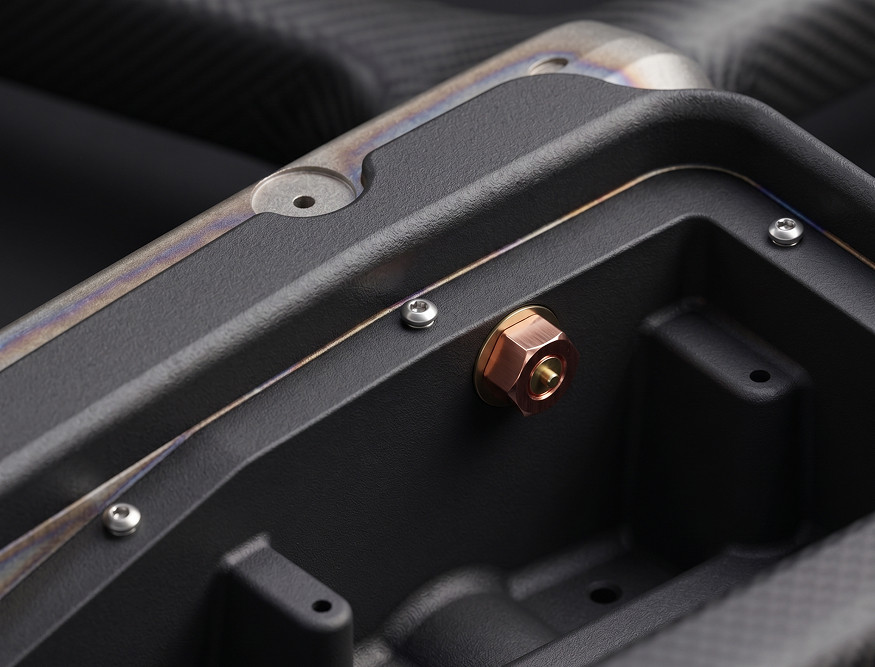
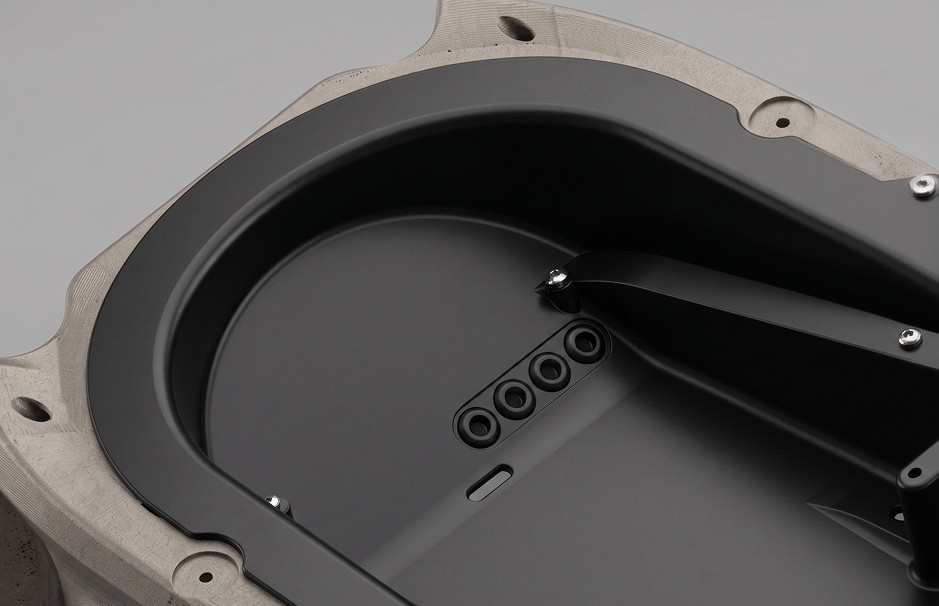
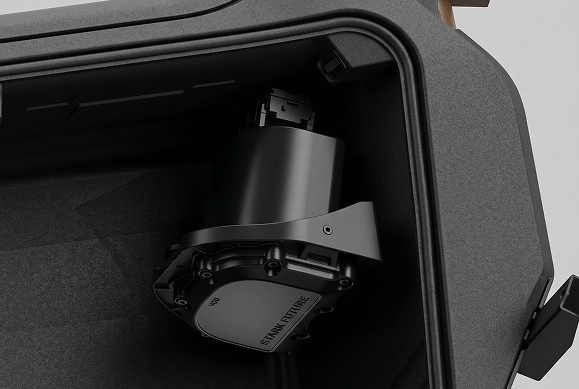
Fitting the custom PDU into the glovebox, one of the tightest spaces in the chassis, sealed and cooled without a fan.
Design for manufacturing. Enclosure and cover modelled in PTC Creo for injection moulding, with draft angles and uniform walls throughout.
Connectors on the perimeter. The board layout follows the enclosure: every connector sits on the edge, so no wire crosses a component and the seal stays clean.
Passive cooling. At a 210 W (17.5 A) peak, the Joule-effect calculation gives 0.081 W/cm², low enough for natural convection with no fan.
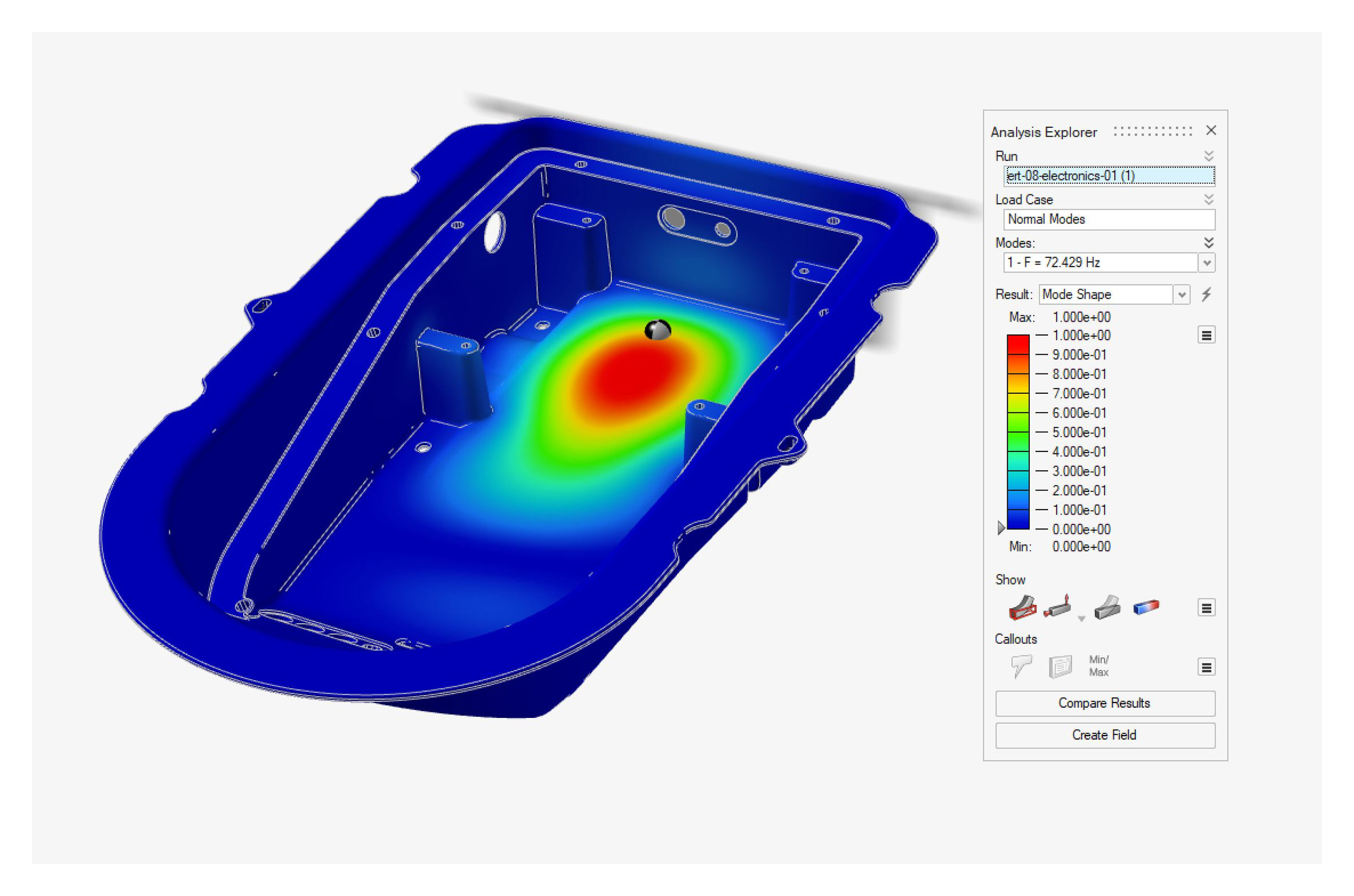
Dynamic rigidity. Orthogonal mounting points raise the enclosure’s first mode to 72 Hz, isolating the PDU from low-frequency chassis vibration.
Intelligent handguards
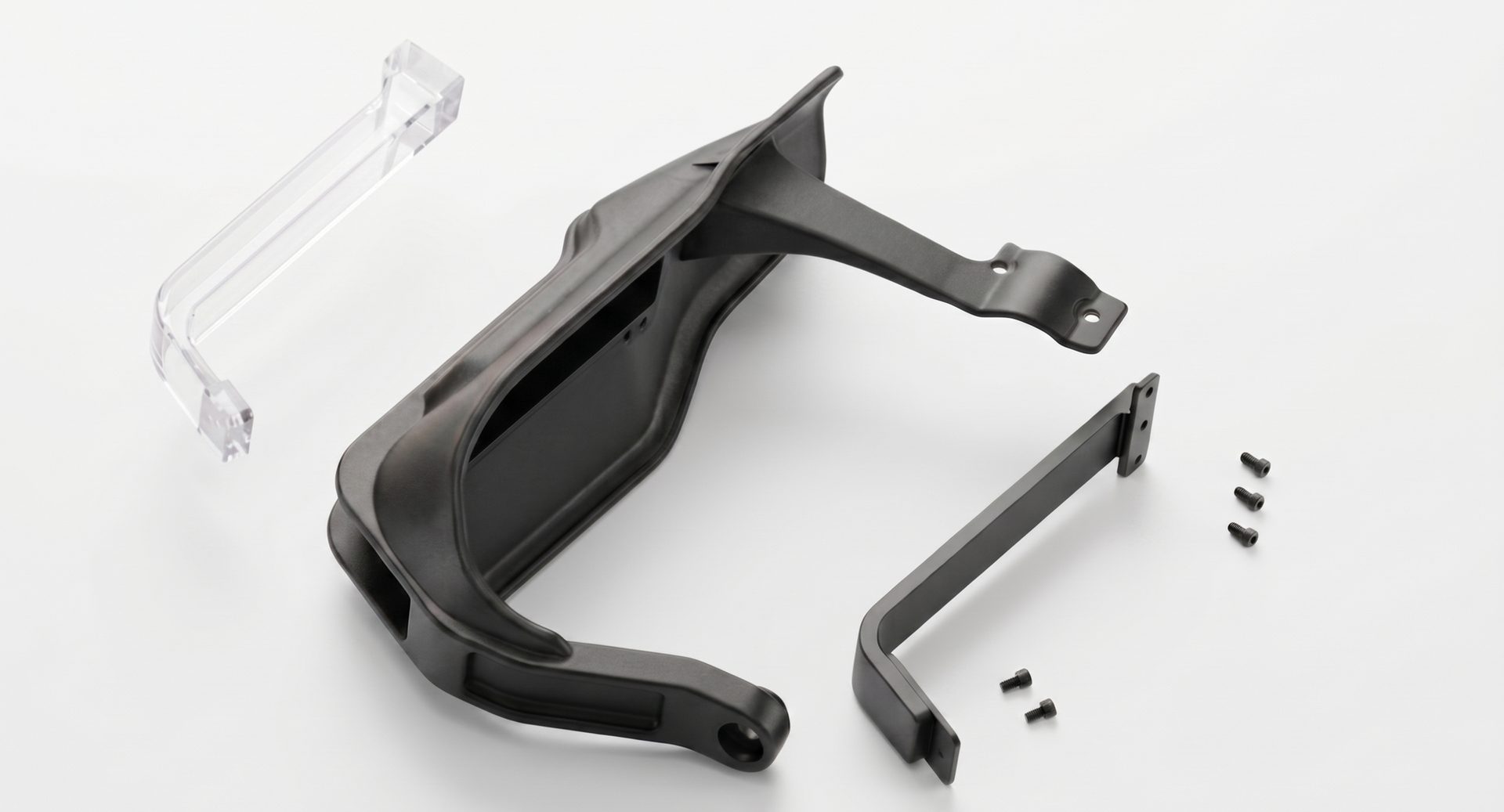
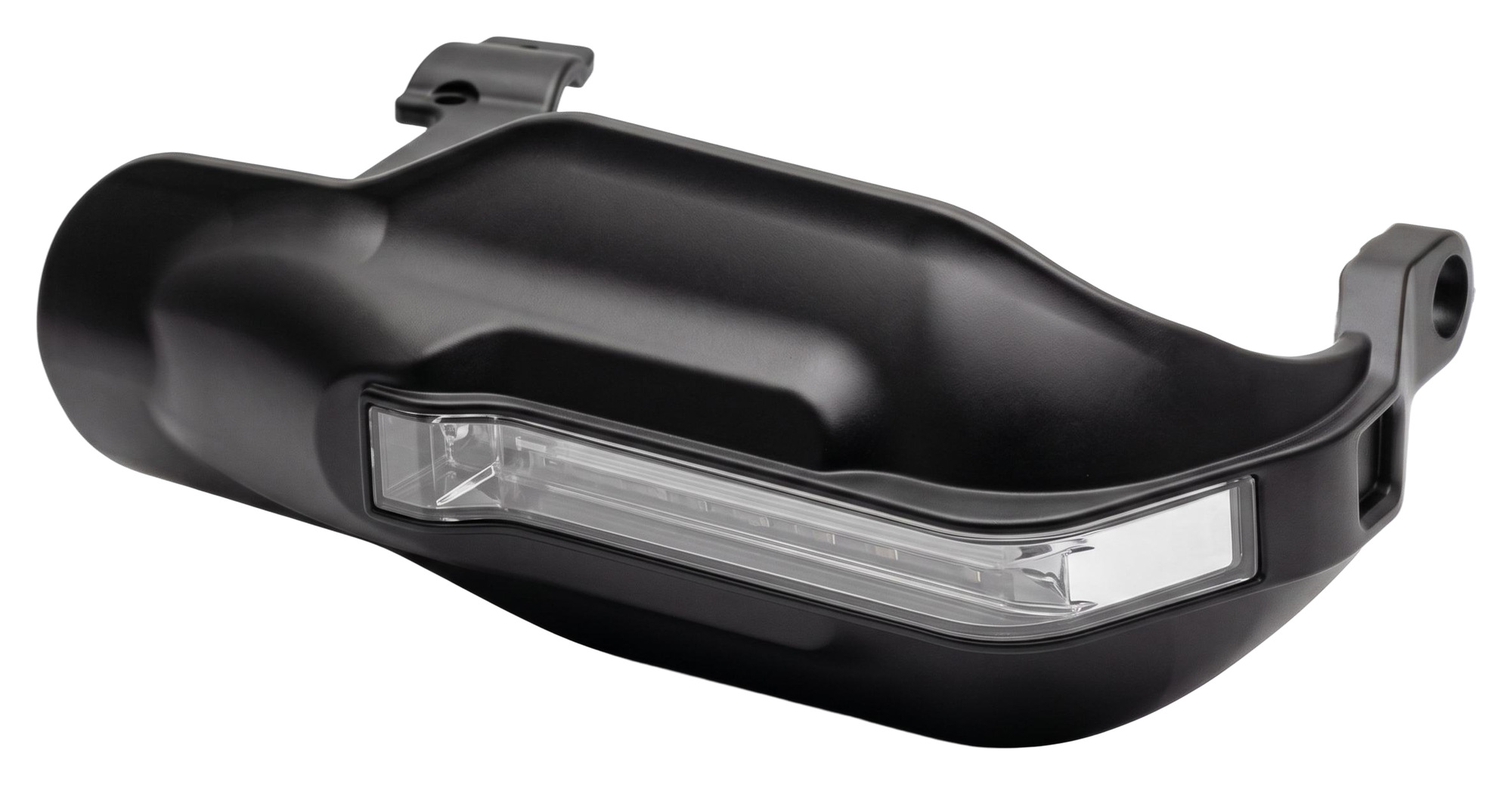
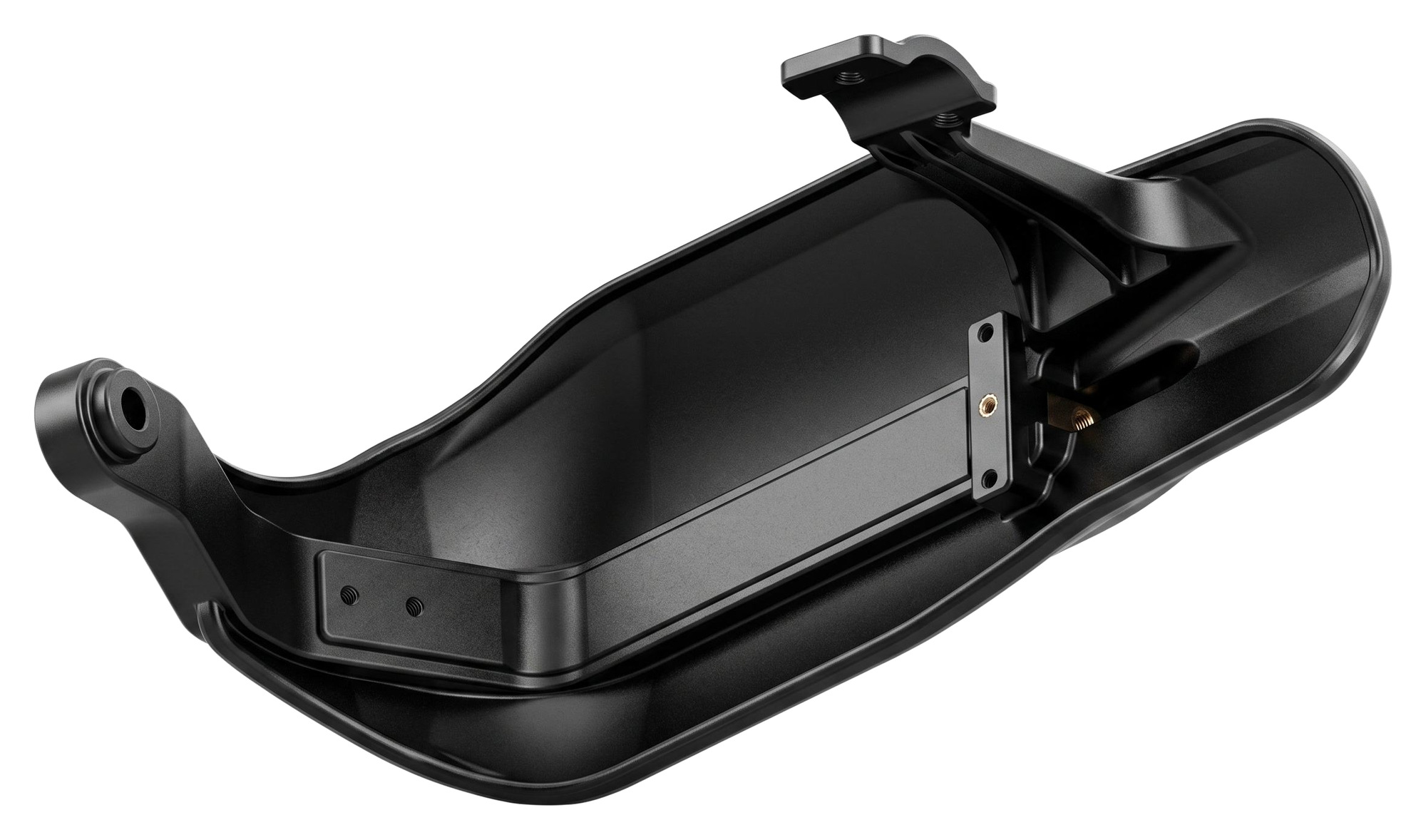
Sequential LED indicators built into a crash-protection part, with less drag, controlled vibration and a manufacturable design.
Aerodynamics. Over four iterations, the final geometry (V04) covers 3.59% more of the hand while cutting drag by 42.98%.
Design for manufacturing. PA12 SLS body with brass threaded inserts; ribs moved to Class-B surfaces to keep the Class-A faces clean; LED module behind a custom SLA translucent lens.
NVH. First mode at 34 Hz, clear of the 20 Hz chassis excitation, protecting the LED module from vibration fatigue.
Brackets & wire routing
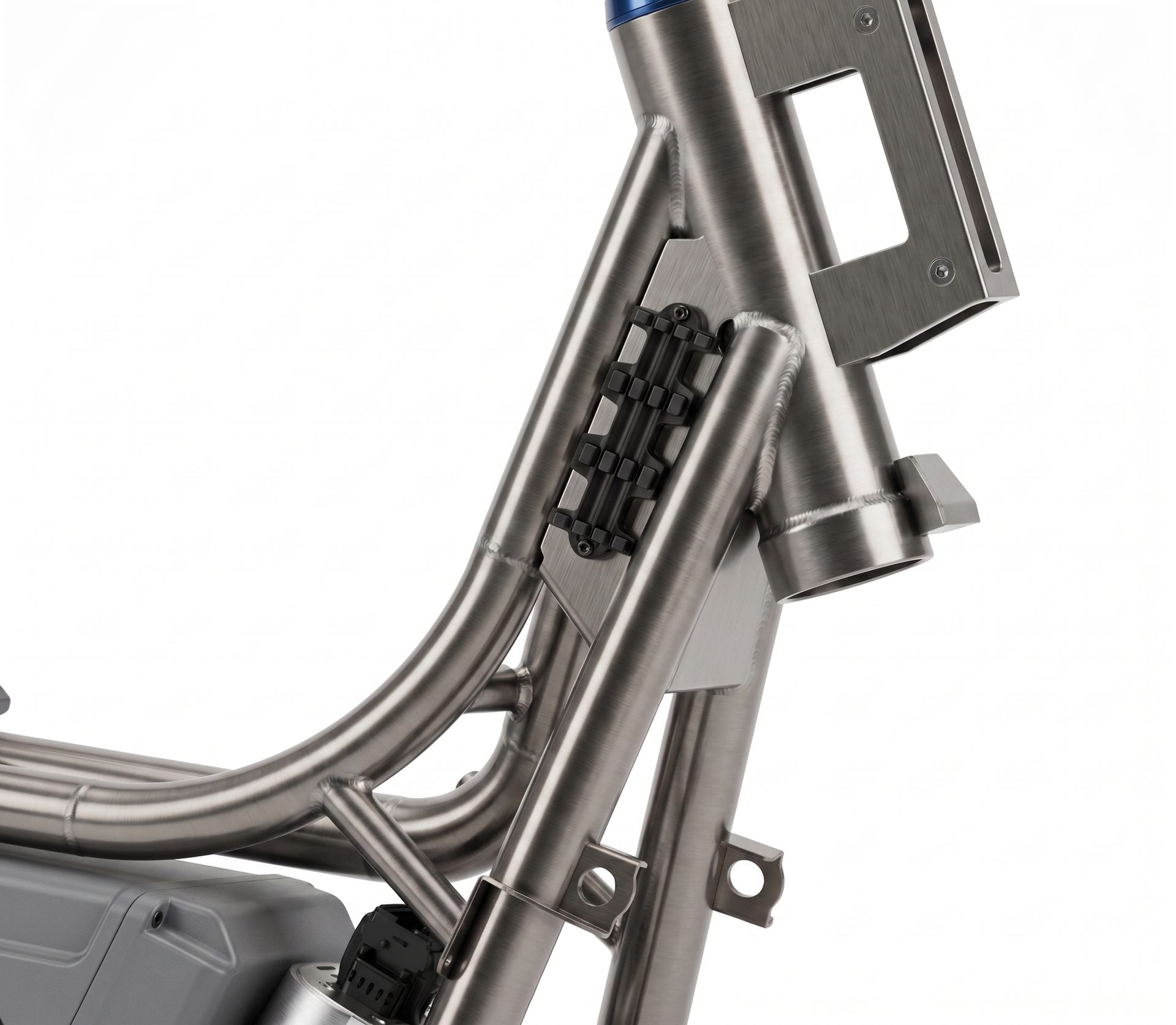
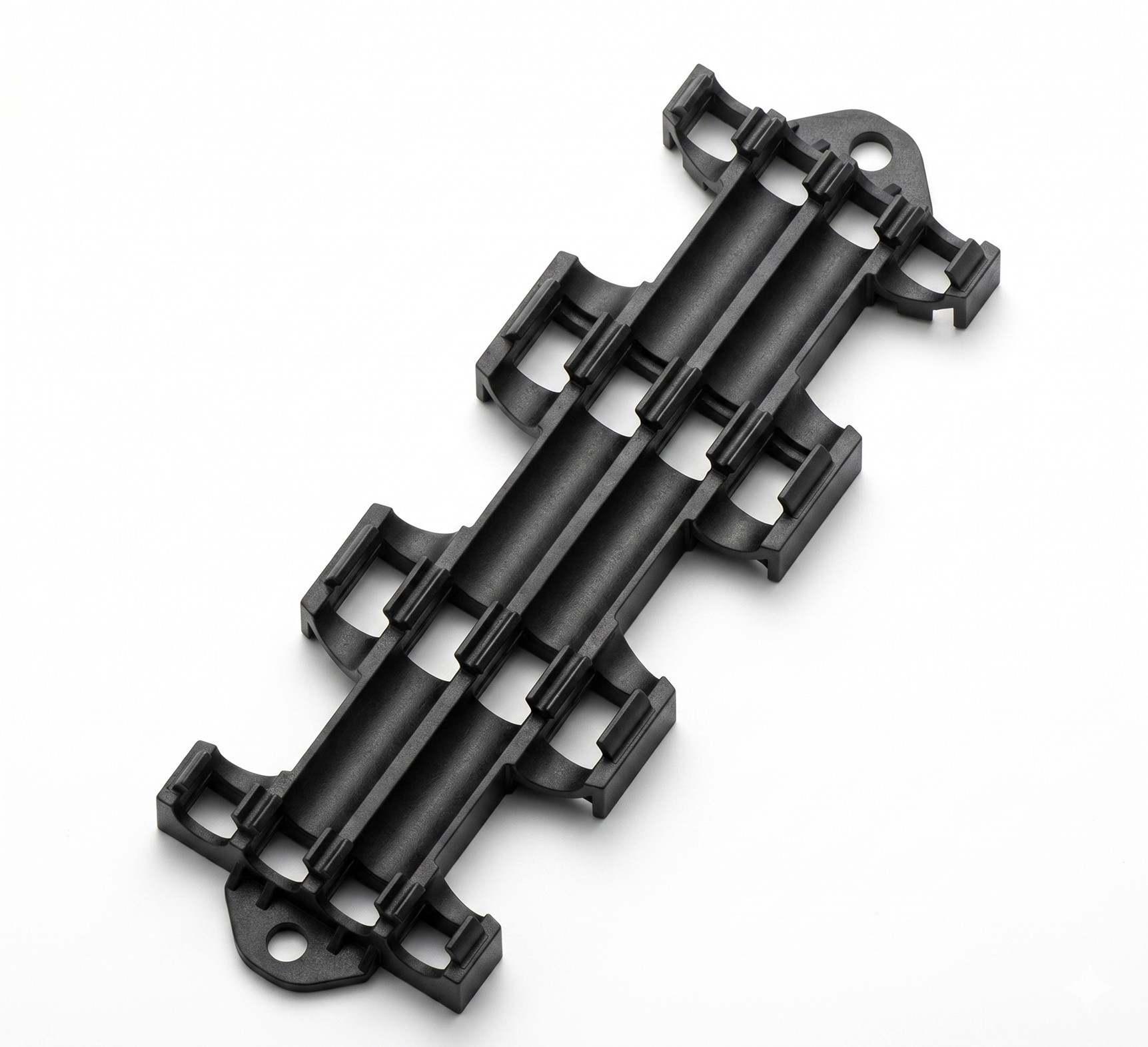
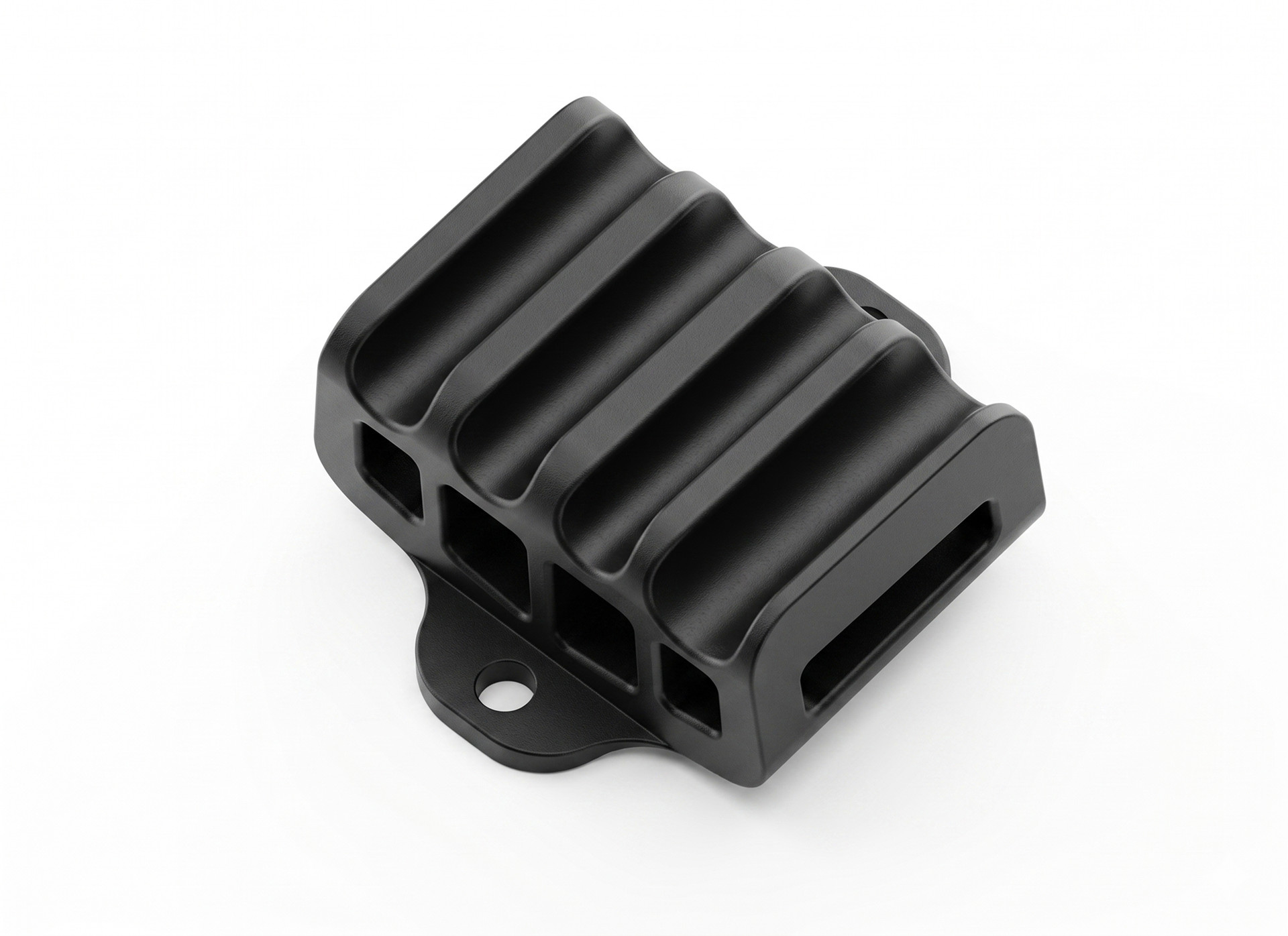
Routing guides. ABS injection-moulded guides on the front frame and fork hold the harness clear and prevent pinching at full steering lock.
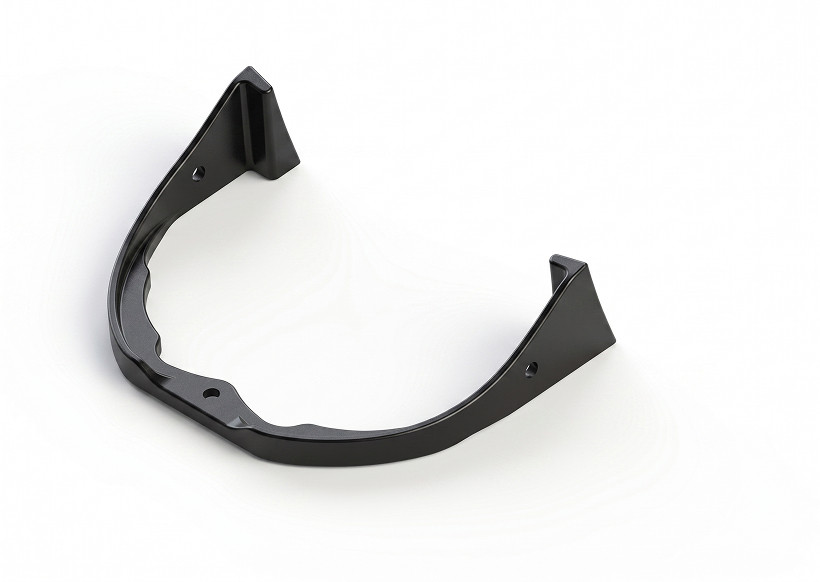
VCU bracket. Factor of safety above 6 and a first mode at 404 Hz. Topology optimization was skipped on purpose: the mass saving was negligible next to the reliability the VCU needs.
Built with industry
Hexia Evo was developed with the companies that made it possible, engineering and manufacturing production-grade parts with each of them. That is what turned a concept into a running, premium machine.