Silens
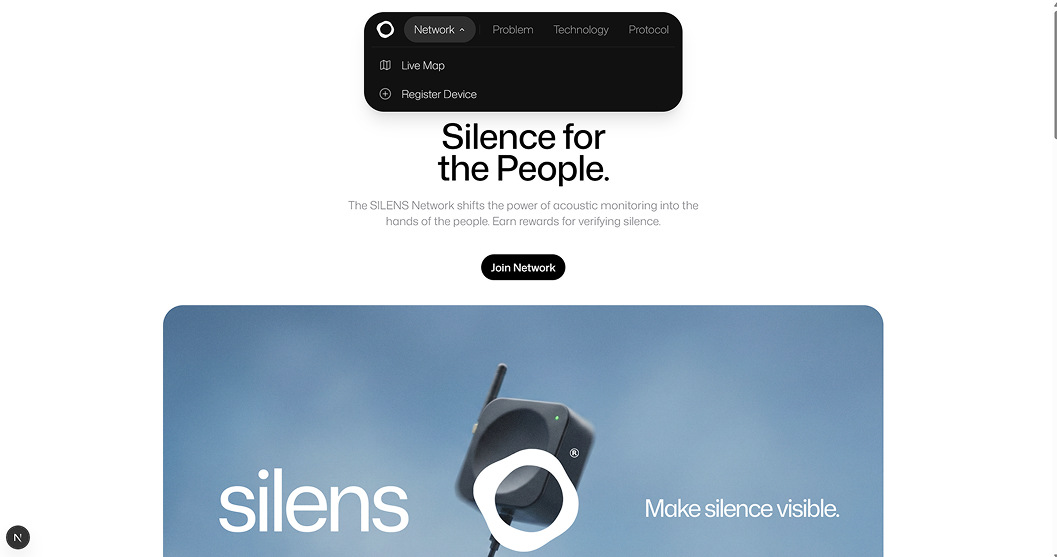
Make silence visible.
57% of Barcelona's population lives above the acoustic danger limits, an exposure clinically linked to chronic stress, sleep disturbance and cardiovascular risk.
The city's current monitoring network relies on high-precision sensors costing up to €15,000 each, limiting coverage to just 130 stations for 1.6 million people. That leaves huge blind spots and context-blind data: it measures raw volume but can't identify what is making the noise.
Silens replaces that with a dense, scalable grid of low-cost nodes. Each one runs Local AI to recognize noise sources in real time (privacy-first, without ever recording), then relays what it hears over LoRa to a live map of the city — turning the urban soundscape into actionable, source-aware data.
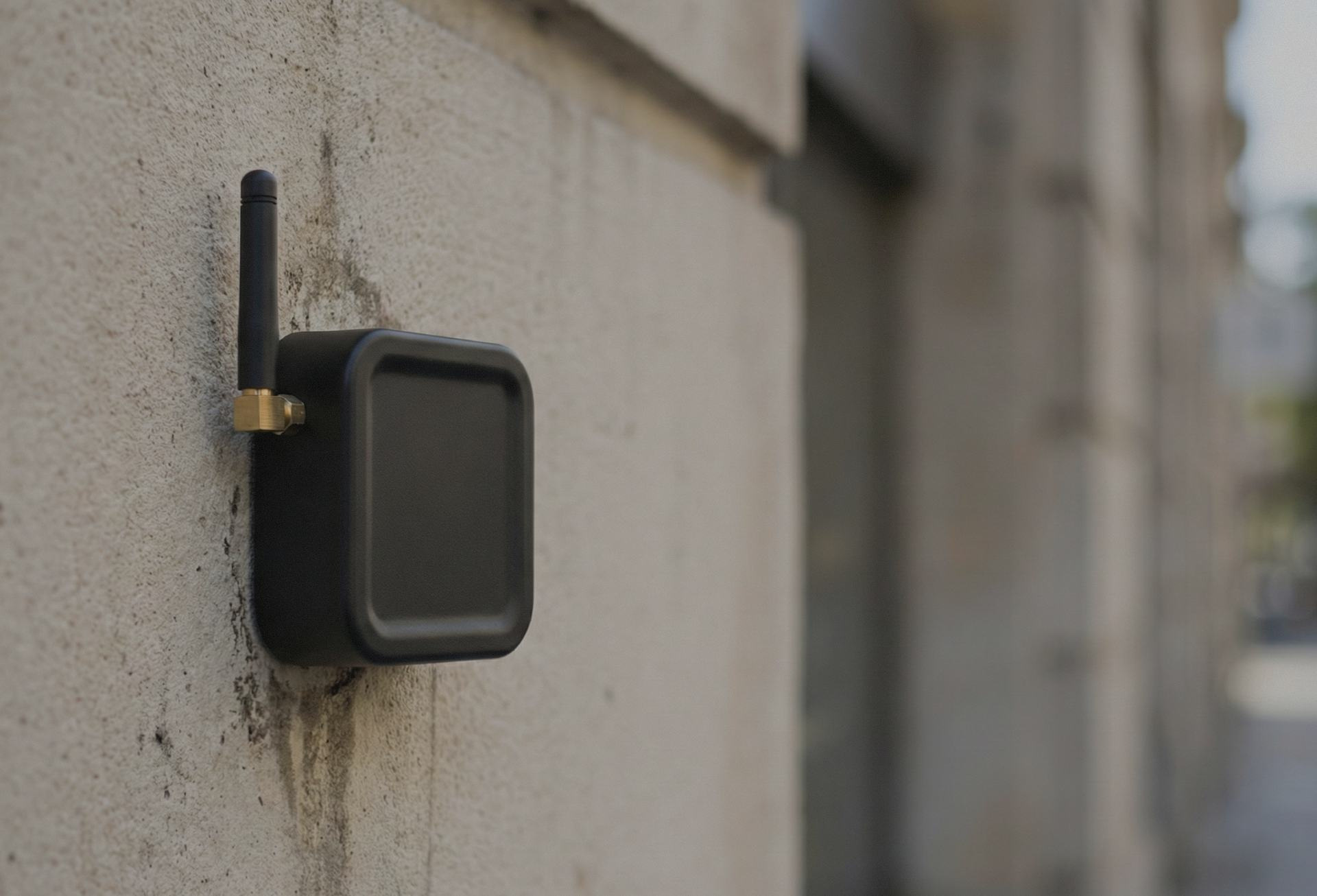
A crowdsourced urban mesh
Silens runs on a decentralized model: citizens host nodes and trade real-time noise data for city-sponsored rewards, gamifying uptime and long-term network stability.
The city gets a zero-maintenance, hyper-dense acoustic grid with actionable data, at a fraction of the cost of legacy infrastructure.
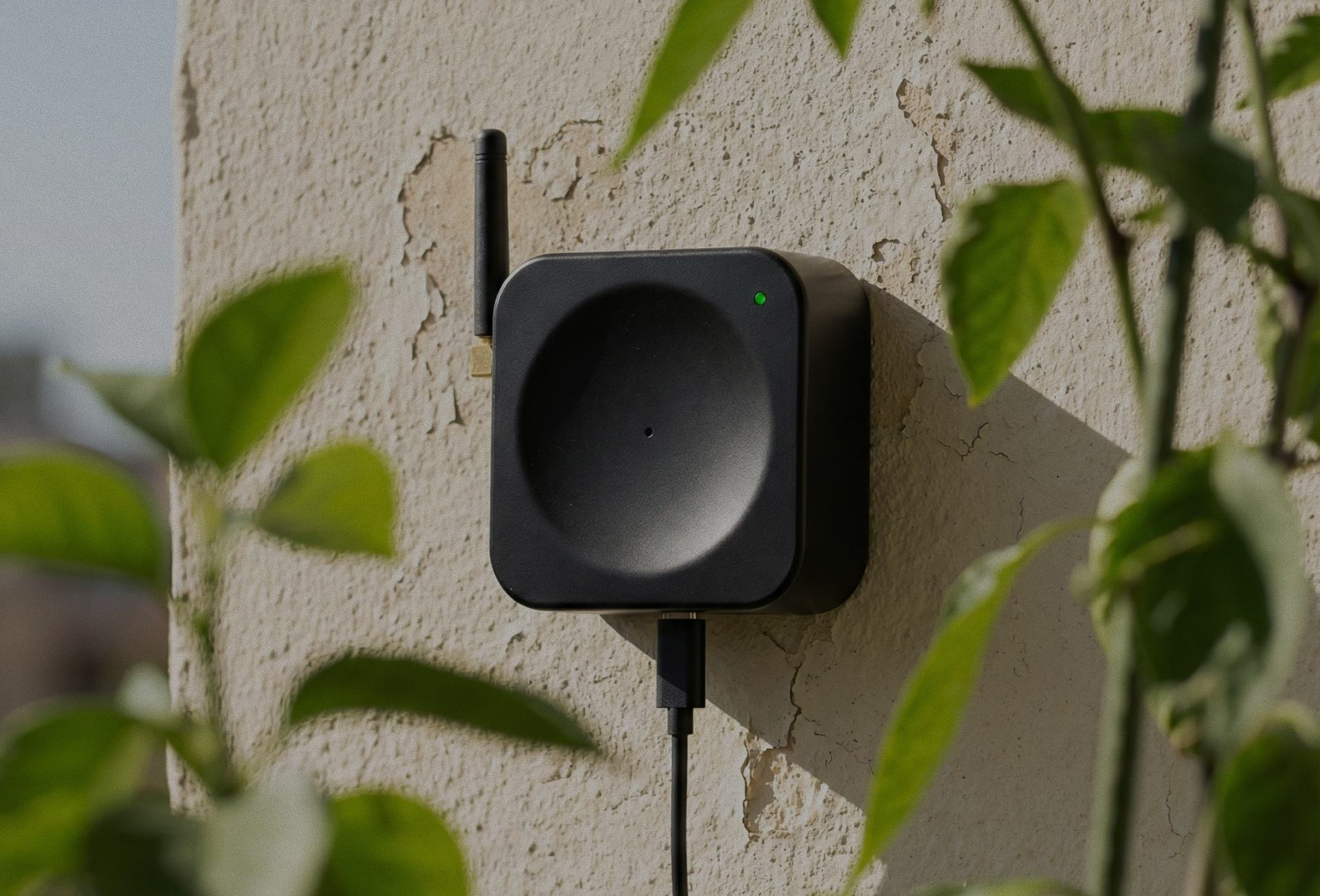
Hardware architecture & DFM
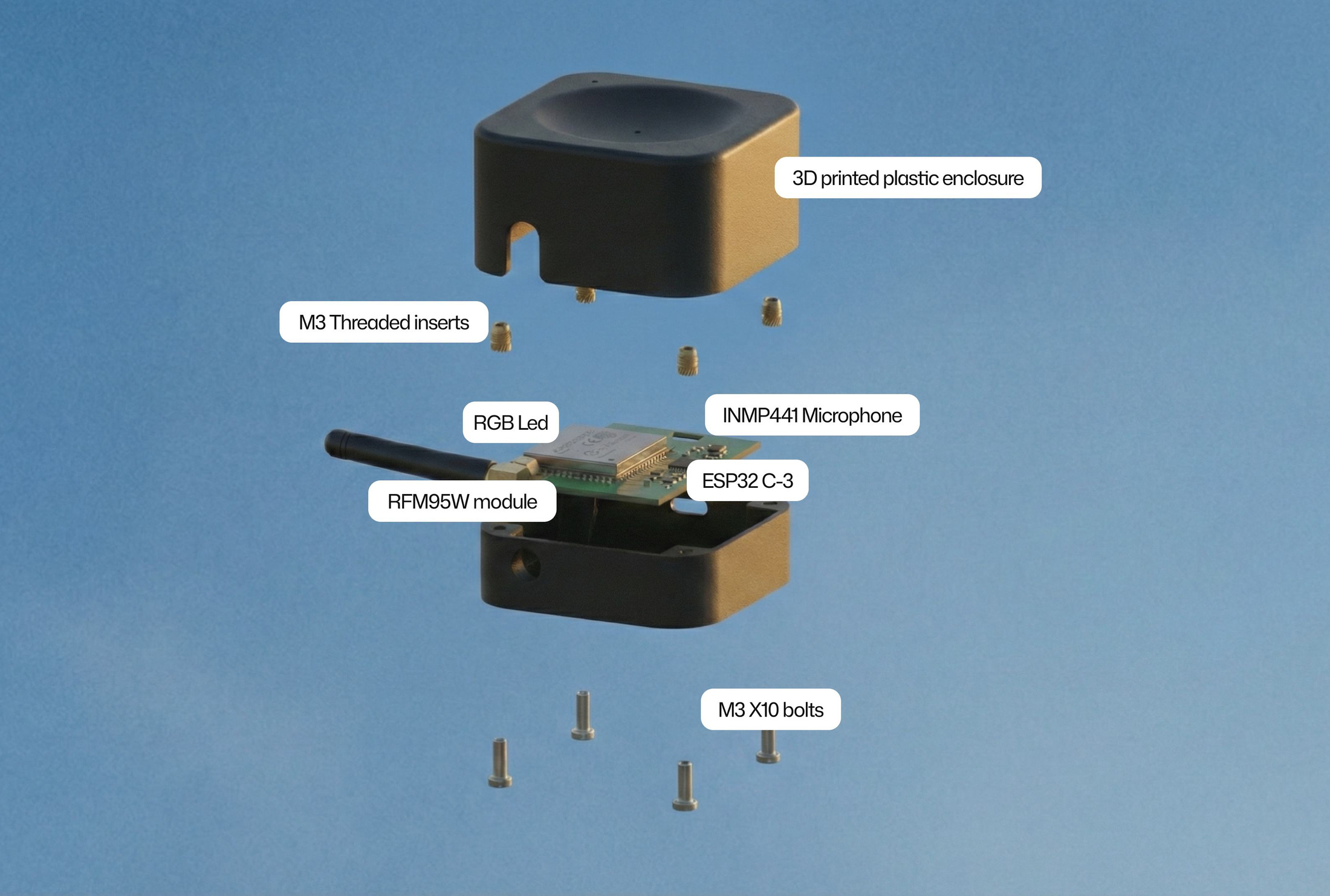
Powered by an ESP32-C3, chosen for its cost-efficiency and for the processing headroom to run on-device machine learning — Edge AI — for sound classification, without relying on cloud computing.
It integrates an INMP441 omnidirectional digital microphone for precise dB measurement, coupled with an RFM95W LoRa module to guarantee long-range, low-power data transmission across dense urban environments.
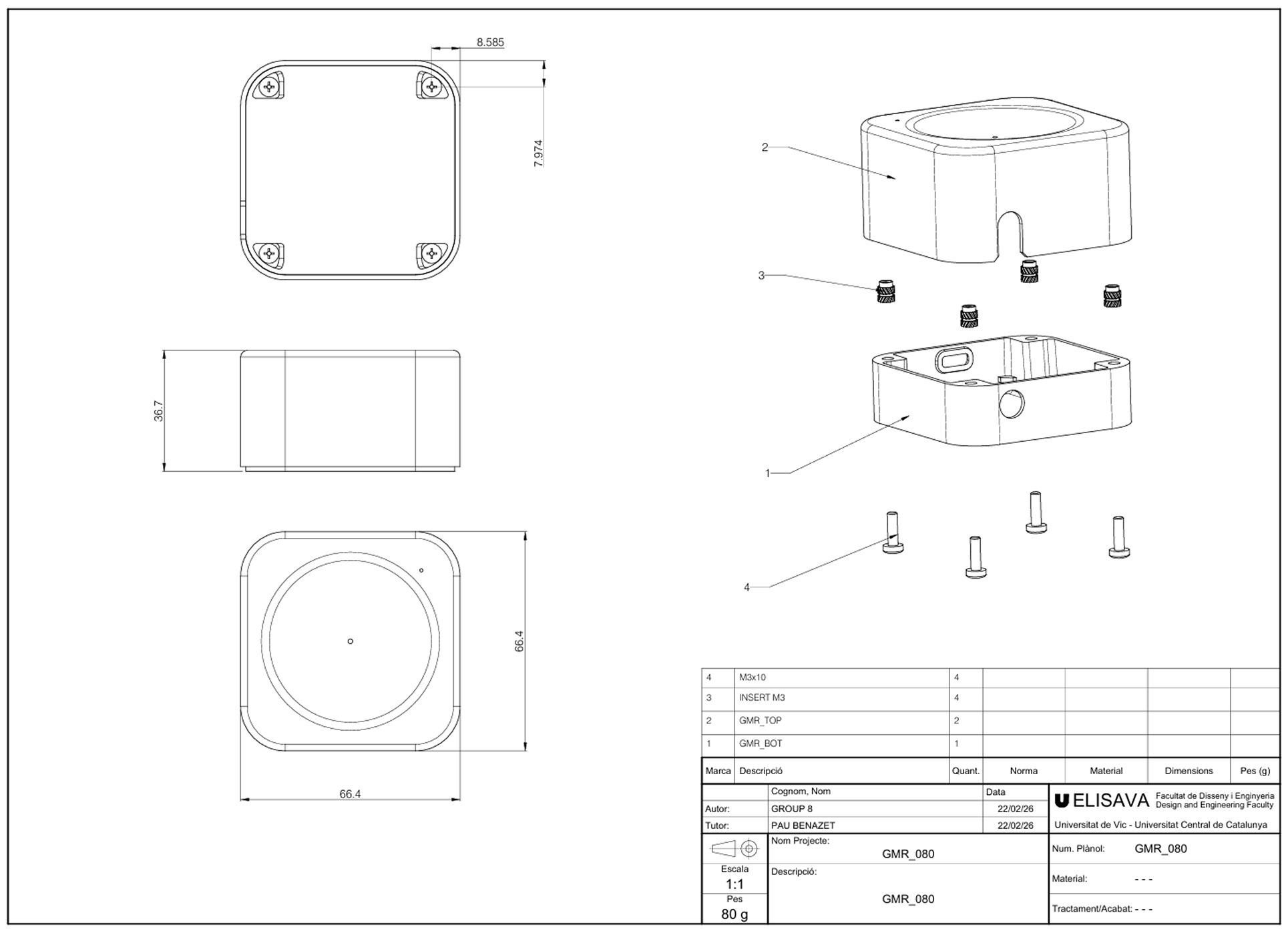
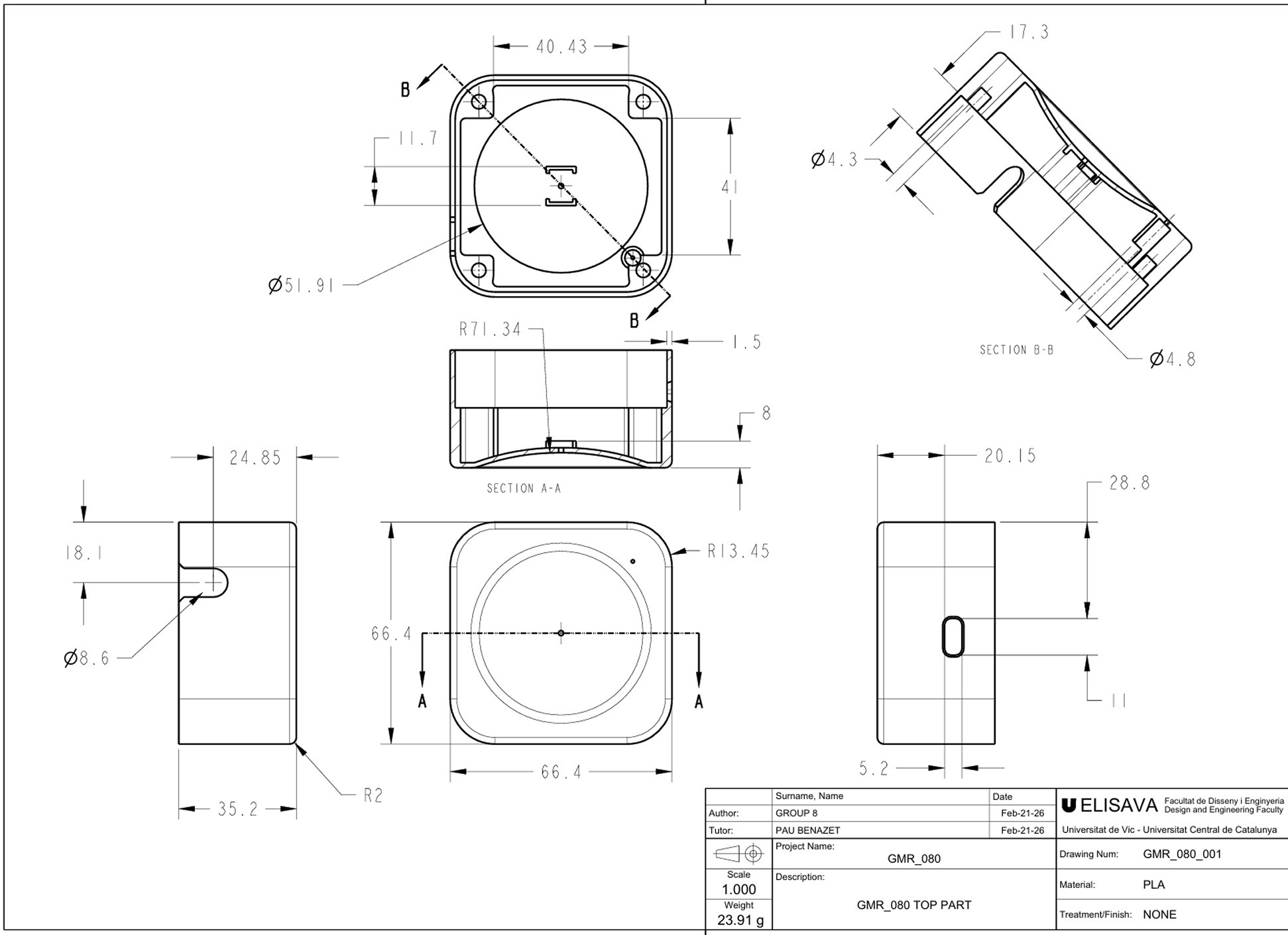
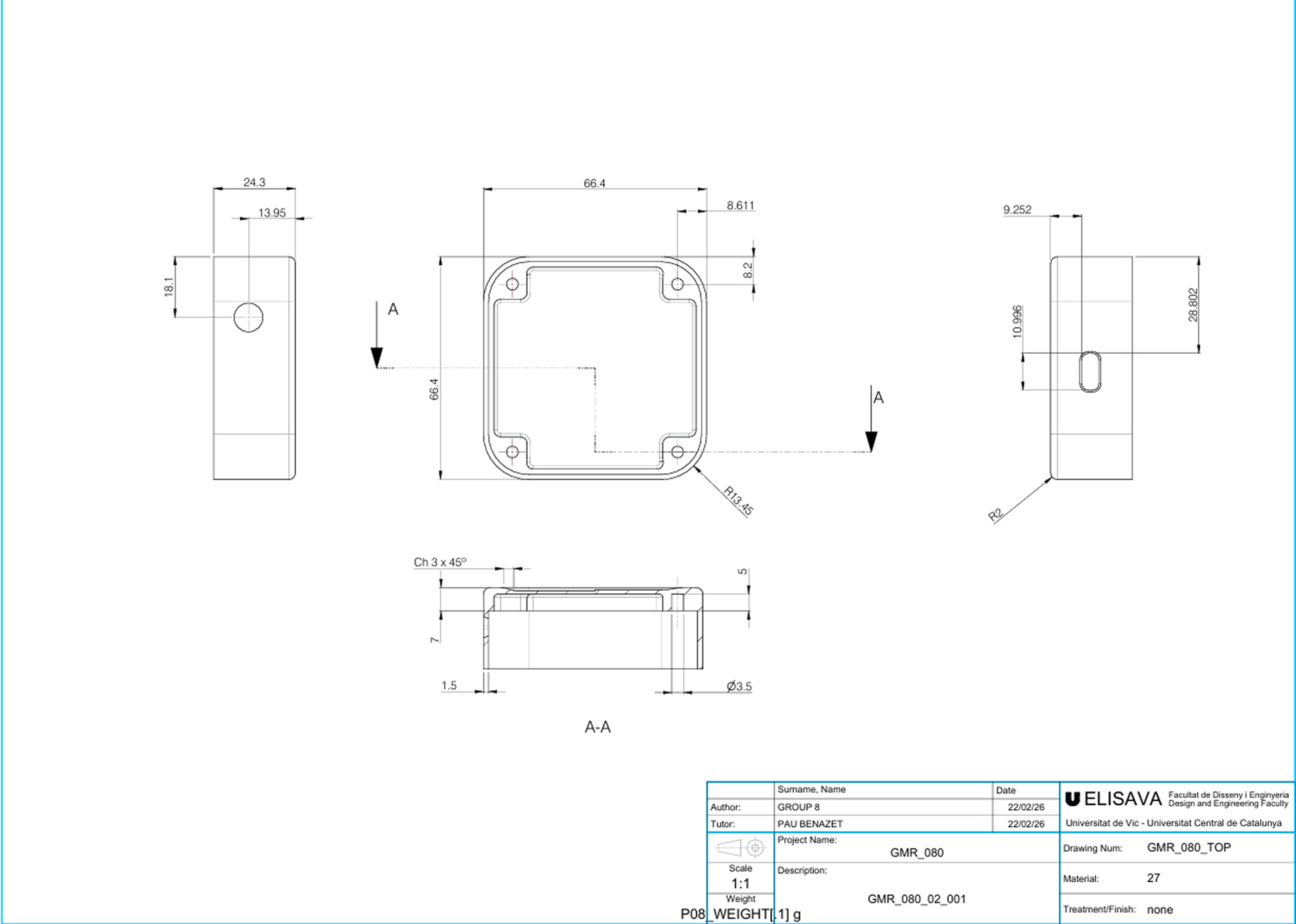
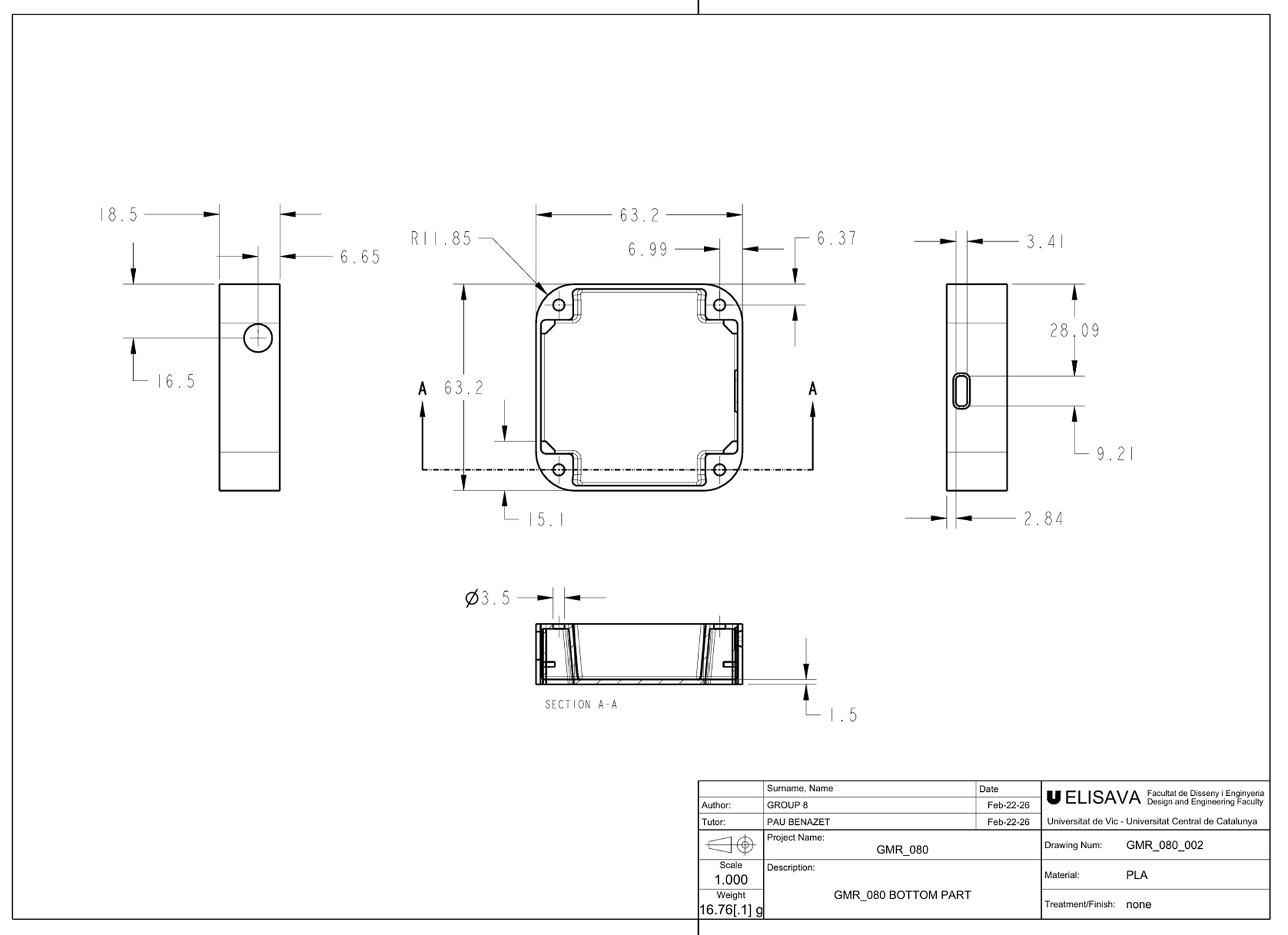
The custom 3D-printed enclosure is engineered for rapid, scalable production: M3 threaded inserts and M3×10 bolts give a robust, repeatable mechanical assembly suitable for outdoor urban deployment.
System architecture
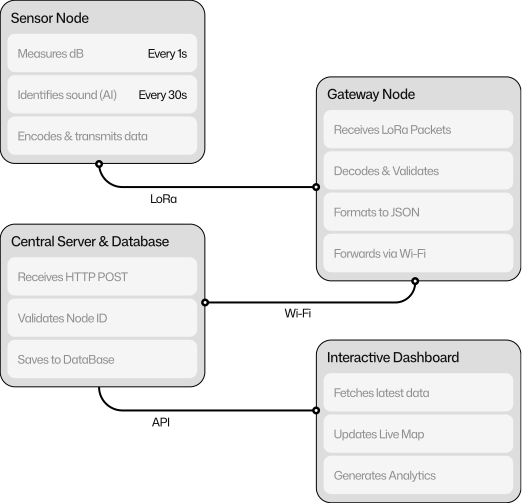
The sensor node measures ambient noise every second and classifies the sound source via Local AI every 30 seconds. No raw audio is ever recorded or transmitted — the node only encodes and sends lightweight, actionable telemetry.
To bypass the need for an individual Wi-Fi connection at every street corner, nodes transmit encoded LoRa packets to a centralized gateway node, which decodes them, validates the node ID, formats the data into JSON payloads and forwards it over Wi-Fi.
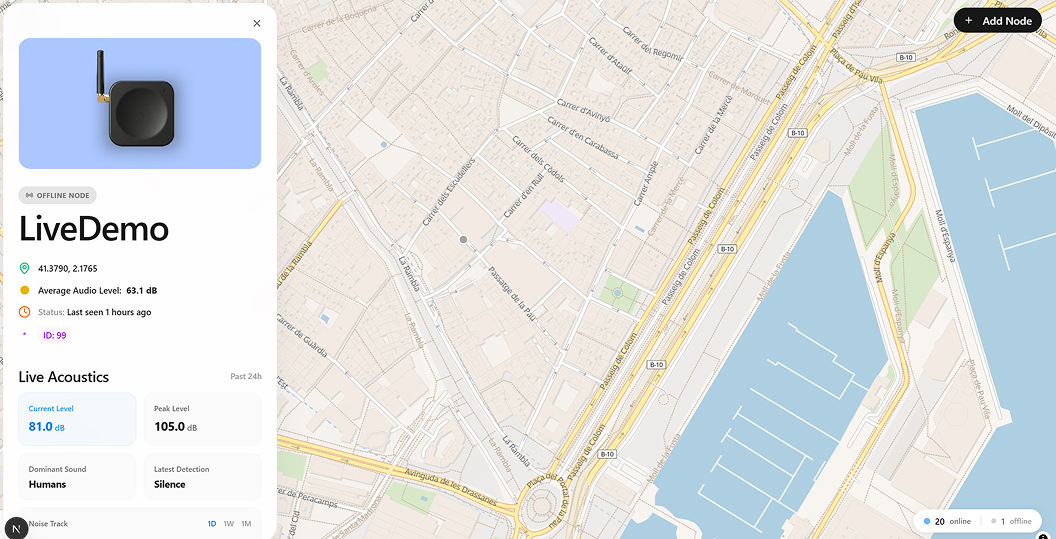
A central server processes the HTTP POST requests, validates the data and pushes it to a live database. An API then feeds an interactive dashboard for real-time map updates and historical urban analytics.